What Can $80,000 Buy in Japan? My Real Akiya Costs (2026)
What $80,000 buys in Japan, from Tokyo to the countryside, and every yen I paid for my own farmhouse akiya in 2025.
Yes, $80,000 can buy a home in Japan. In many towns it buys the house and still leaves money for the work the house needs.
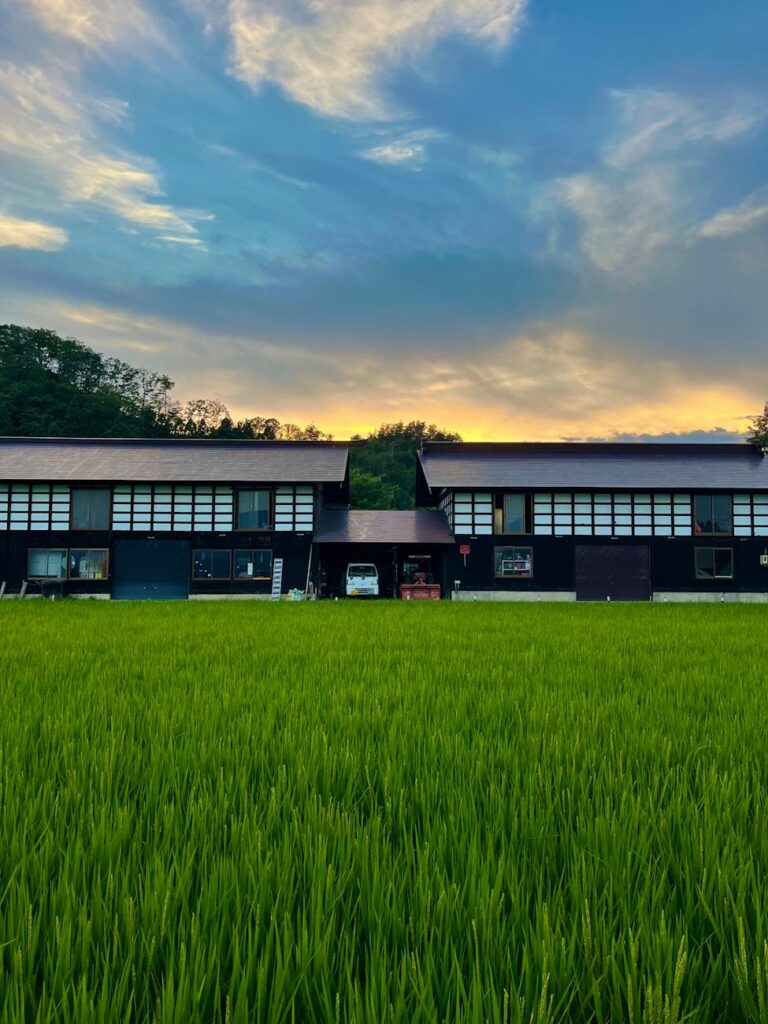
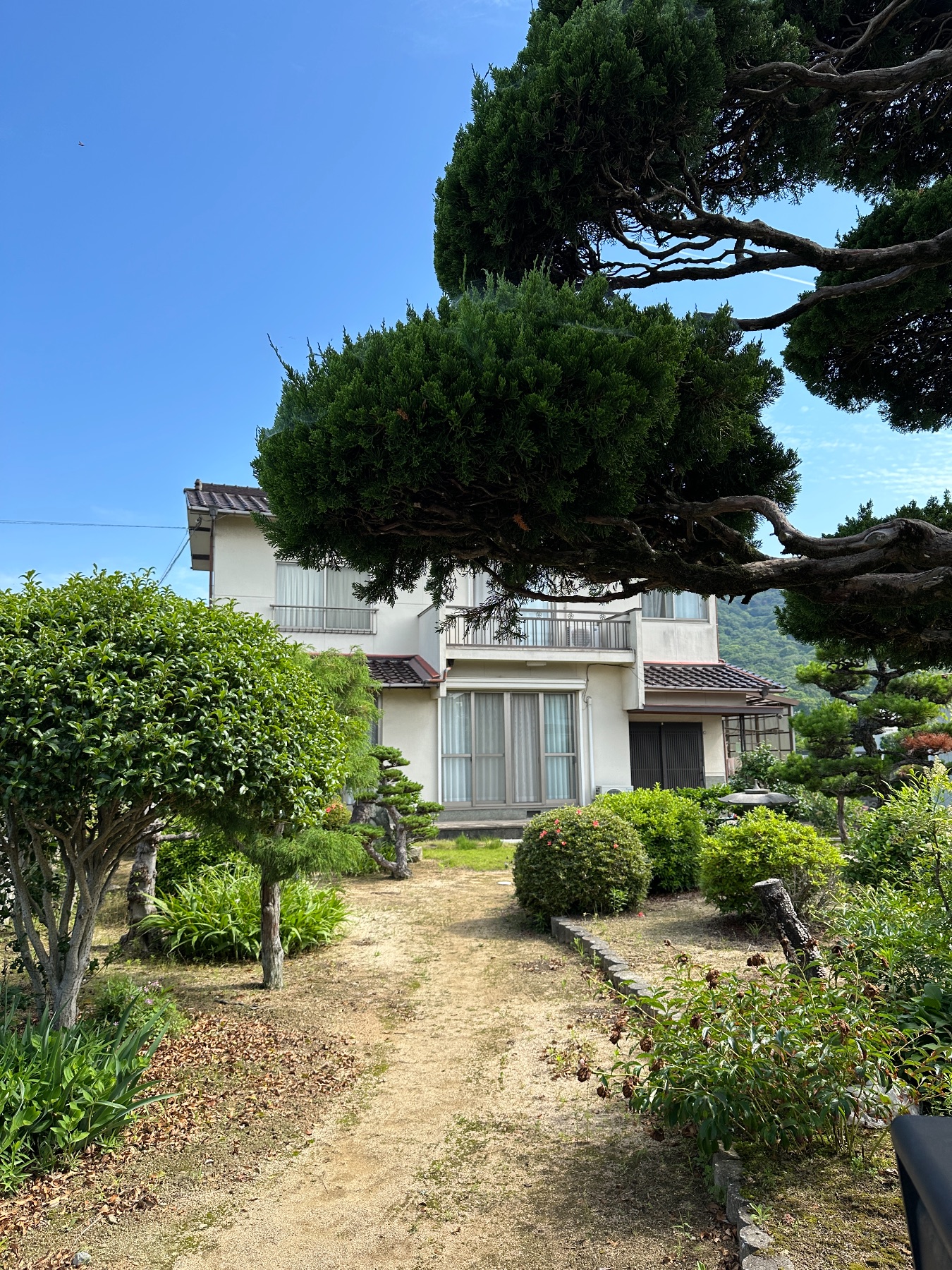
I know because I did it. In April 2025 I got the keys to an old farmhouse with a rice field in the Japanese countryside. The price was 5.5 million yen. Everything I paid at closing came to about 6.17 million yen, roughly $40,000 at the rate I sent my money over.
I bought it as a place for my mother, who loves to garden, and as a base for me and my family when we visit Japan. Below I share what that money bought, every yen I paid, why it was so cheap, and how I paid for it while living in Hawaii.
Key takeaways
- $80,000 is about 12.5 million yen at late-October 2026 rates, and every 10-yen swing moves your budget by about 800,000 yen.
- Location decides everything. Near Tokyo it covers about a third of an average resale house; in the countryside it can cover the house and the repairs.
- My farmhouse cost 6.17 million yen at closing (about $40,000), or about 6.39 million with acquisition tax: a house, two outbuildings, a rice field and a barn full of tools.
- Cheap usually has a reason: farmland permits, zoning that limits building, “cannot be rebuilt” and as-is sales.
- Plan to pay cash. Japanese banks rarely lend to buyers with no income in Japan.
What $80,000 Means in Yen
$80,000 is about 12.5 million yen today. On October 23, 2026 one dollar bought about 156.9 yen (Federal Reserve H.10).
The rate moves, and it moves your budget with it. A swing of 10 yen per dollar changes $80,000 by about 800,000 yen. That is real money in a market where some houses sell for a few million yen, so check the rate again the week you send money.
What $80,000 Buys, Depending on Where
Where you buy decides almost everything. In the big city regions, $80,000 is a fraction of an average resale home. In the countryside, it can cover the house and the repairs.
| Area | Average resale price | In dollars (at ¥156.9) | What about ¥12.5 million gets you |
|---|---|---|---|
| Tokyo metro area, detached houses | ¥39.33 million (July 2026) | about $251,000 | About a third of an average house. Usually an older small apartment, or a house far from the center. |
| Tokyo metro area, condos | ¥52.67 million (July 2026) | about $336,000 | Mostly small, older units. |
| Kansai region, detached houses | ¥23.74 million (December 2025) | about $151,000 | About half of an average house. Older homes in smaller towns come into reach. |
| Countryside towns | Varies widely | — | Whole houses with land, often well under ¥10 million. Mine was ¥5.5 million. |
Sources: REINS Market Watch, July 2026 for the Tokyo metro area (Tokyo, Kanagawa, Saitama and Chiba), and Kinki REINS, December 2025 for the Kansai region. These are averages of homes actually sold through real estate agents, so they lean toward city homes.
So the honest answer is this. $80,000 buys a comfortable countryside home with money left for repairs. Near a big city, it buys much less. For where to look, see Akiya Houses for Sale: Where to Find Them.
What 5.5 Million Yen Got Me
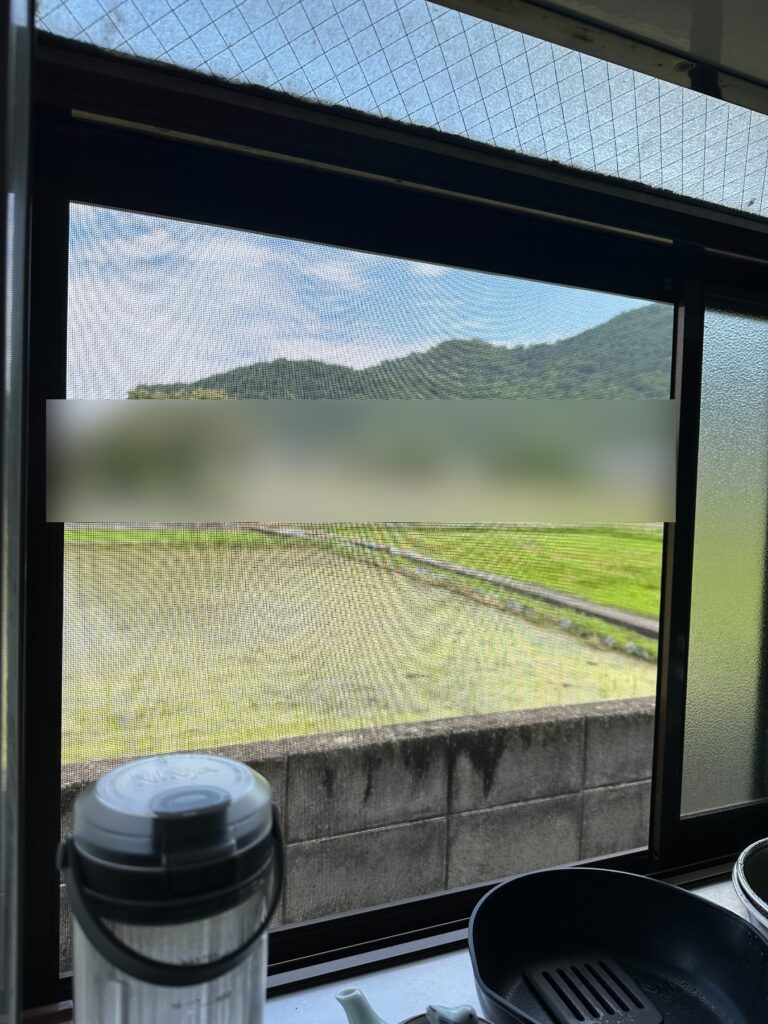
5.5 million yen bought me about 1,618 square meters of land, three buildings, and a barn full of tools. That is roughly 17,400 square feet, or 0.4 acres.
| What | Size | Details |
|---|---|---|
| Main house | 124 m² (about 1,330 sq ft) | Two-story wooden house with a tile roof, first built around 1971 |
| Warehouse | 53.5 m² (about 580 sq ft) | Wooden, one story |
| Storage shed | 20.9 m² (about 225 sq ft) | Light steel, one story |
| House land | 669 m² | The house, the garden and the buildings sit here |
| Rice field | 837 m² | Registered as farmland, which matters later |
| Road strip | 112 m² | A strip registered as a public road, which came with the sale |
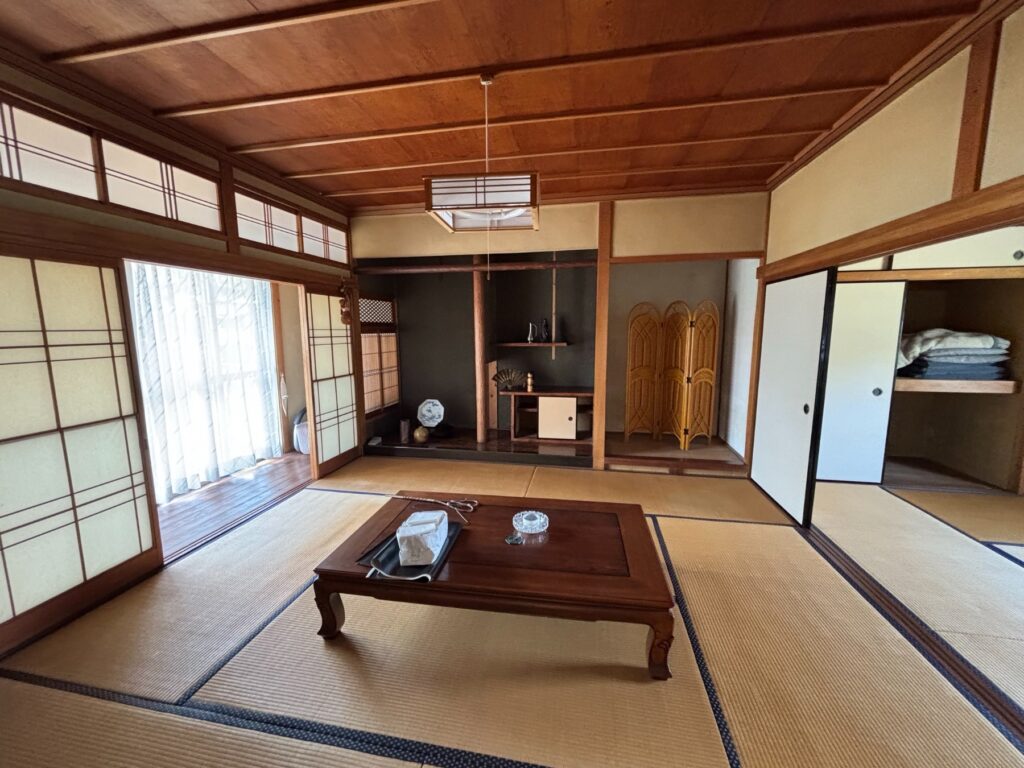
Built around 1971, the house has had plenty of updates since. Over the years the owners added a second-floor room (1976), redid the living room and kitchen (1999), the toilet and bath (2002), connected to the sewer (2005), replaced the windows (2006), and put in a new heat pump water heater (2017).
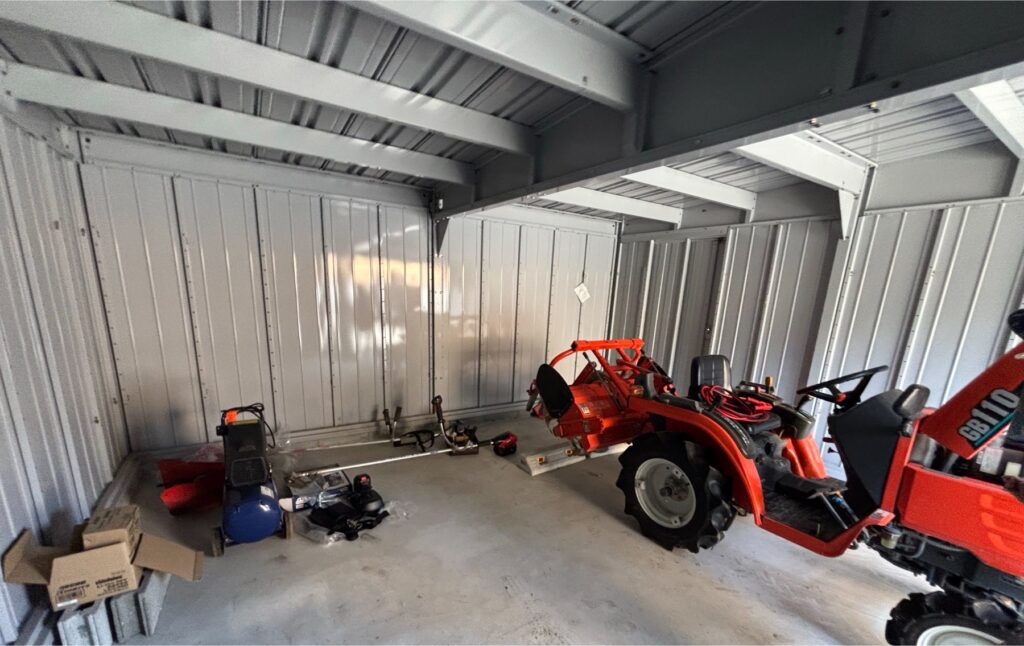
And the extras surprised me. The sale included four air conditioners, a tractor, two brush cutters, a compressor, a full set of farm tools, steel shelves, a cupboard, and a mochi-pounding machine. My father now drives that tractor in the field.
Every Yen I Paid at Closing
My total at closing was 6,170,106 yen, about $40,000 at the roughly 154 yen per dollar I got in early 2025.
| Item | Yen | What it was |
|---|---|---|
| Purchase price | 5,500,000 | 500,000 deposit when we signed in February, 5,000,000 at closing in April |
| Property tax share | 88,710 | My part of that year’s property tax, from closing day on |
| Judicial scrivener (司法書士) | 333,896 | Title transfer, registration tax (about 193,000 yen) and the farmland permit application (50,000 yen) |
| Agent’s commission | 247,500 | 225,000 yen plus 10% tax |
| Total | 6,170,106 | About $40,000 |
Two lines were zero: water and sewer connection fees. The house was already connected, so I paid nothing there. In some towns those fees run high, so always ask.
The property tax on the whole place is about 95,000 yen a year, roughly $600.
Tip: Ask the agent for a written estimate of every closing cost before you sign, including the judicial scrivener’s fee and any water or sewer connection charges.
Why It Was So Cheap
I think I paid below the local going rate, and there are clear reasons. Each one lowered the price, and each one would scare some buyers away.
- It came with farmland. You cannot just buy a rice field in Japan. The local agricultural committee has to approve the buyer first, and it checks that the new owner will actually farm the land. My contract said that if the permit was refused, the whole sale was cancelled, house included. Waiting for that permit is why closing took about two and a half months.
- It sits in an area zoned to limit new building. Japan calls this an urbanization control area (市街化調整区域). Towns use it to keep farmland from turning into housing. Our guide to Japan zoning explains how this works.
- It cannot be rebuilt. If the house burned down or I tore it down, I might not get permission to build a new one. That one factor pushes prices way down, and banks rarely lend on it.
- It was sold as-is. The seller took no responsibility for defects after the sale, there was no inspection, and there was no loan clause. In the disclosure form the seller listed a past leak by the balcony during a typhoon, cracks in some walls, a flood in 1976, and an old toilet pit filled in under a storage room. Read more in Buying an Akiya As-Is: Contract Risks.
None of these stopped me. I wanted a garden for my mother and a place to stay, not an investment to resell. For another buyer, any one of them could be a dealbreaker. This is exactly where someone who reads Japanese contracts for a living should go through the papers with you.
How I Paid for It from the US
I did go to a bank in Japan first. I have no income in Japan, and that was the end of the conversation. This is very common for buyers who live overseas, so plan to pay cash from the start.
I paid with money I already had in a Japanese bank account, plus a loan I took out in the US. Some of my clients have used a US loan too, and others pay from savings.
Sending the money was simpler than I expected. I used Wise, a money transfer service, to move dollars from my US account into my Japanese bank account. I sent a small test transfer first, then the rest in a few transfers before the deposit and the closing. The deposit and the balance went to the seller by bank transfer.
I signed the contract without sitting in the same room as the seller. The papers went back and forth, which is normal in Japan. For the documents you will need from home, see Paperwork for Overseas Buyers.
Loans are personal, and the right choice depends on your home, your income and your rates. Talk it through with your own lender or a financial advisor. I’m not one.
What the Other Half of $80,000 Is For
My purchase used about half of an $80,000 budget. The other half is what keeps a cheap house from turning into a stressful one.
- Real estate acquisition tax. A one-time tax from the prefecture, billed a few months after you buy. Mine came to 218,700 yen (about $1,400) in two bills, one for the land and one for the house, due at the end of September 2025. It depends on the assessed value, so ask your agent for an estimate before you sign.
- Stamp tax on the contract. A small revenue stamp each side puts on its copy of the contract.
- Repairs. An as-is house always needs something. Roofs, water heaters, termite work and septic or sewer issues are the usual suspects.
- Furniture and setting up. Utilities, internet, appliances, and the basics to sleep there on your first night.
- Trips to Japan. Viewing houses before you choose, and getting the keys.
- A cushion. Something always comes up in the first year.
If you find a good house for 6 or 7 million yen, an $80,000 budget lets you buy it, fix what matters, and still sleep well.
Is $80,000 Enough?
For a countryside home in Japan, yes, and often with room to spare. For a house near Tokyo or Osaka, it is a stretch.
The price on the listing is only the start. What made my house work was knowing what the farmland permit meant, what “cannot be rebuilt” would cost me later, and how to get money from Hawaii to a Japanese bank account without a Japanese loan.
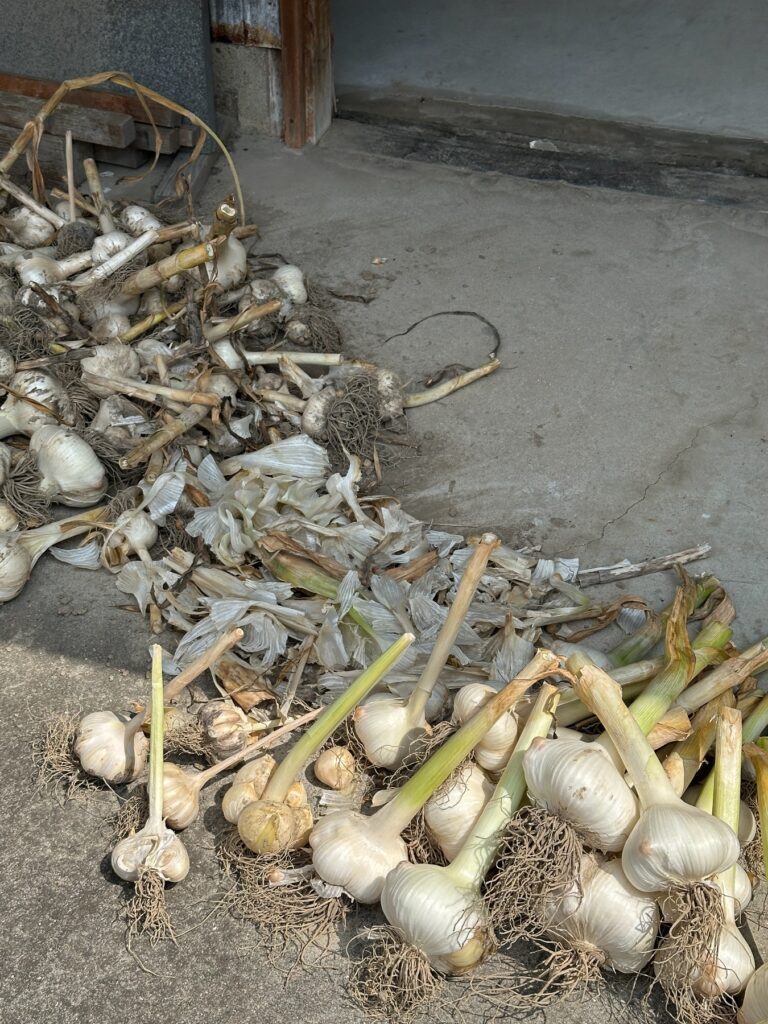
Today my mother tends the garden, and I have my own place to stay when I visit. That is what 6.17 million yen bought me.
What to Do Next
If you live in the US and wonder how people buy a home in Japan without a Japanese loan, let’s talk. Tell me your budget and what you have in mind, and I’ll help you work out which areas fit. Start with a free call.
General information only, as of October 2026. Prices and exchange rates change. This is not legal, tax or financial advice; speak to a qualified professional about your own situation.
Sources
- Real Estate Information Network for East Japan: Market Watch summary report, July 2026 — Tokyo metro resale averages
- Kinki Real Estate Information Network: Monthly report digest, December 2025 — Kansai resale averages
- Board of Governors of the Federal Reserve System: H.10 Foreign Exchange Rates — yen per dollar, October 23, 2026
- My own purchase contract, closing statement and invoices, 2025
Let’s talk about your plans for Japan.
Book a free introductory call with Yuko. We’ll discuss your goals, explain our services and explore whether working together is the right fit for you.