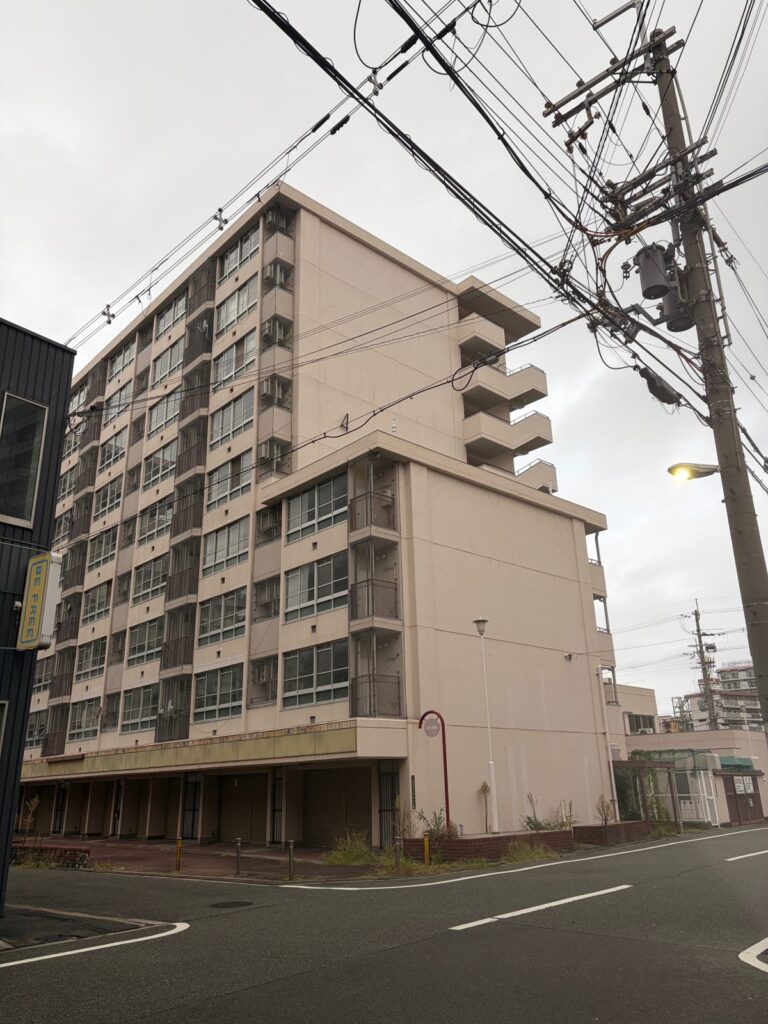
Buying a House in Japan Without a Guarantee on Condition
What 契約不適合免責 (no guarantee on condition) means in a Japanese property contract, its limits, Yuko’s own leak story and what to check before signing.

Source note · Updated October 22, 2026
A clause excluding liability is not an unlimited exemption. Civil Code Article 572 keeps the seller liable for facts they knew but did not disclose, and for certain third-party rights they created or transferred (see the official Civil Code translation). Have a qualified professional review the actual clause. Yuko’s experience below is her personal account.
When I first saw 契約不適合免責 (keiyaku futekigō menseki) in a Japanese listing, I skimmed right past it. Too many kanji, too legal-sounding. Only later, helping a client buy a house, did I see it again in the contract and realize I needed to understand it.
In plain English it means “no guarantee on condition.” The seller is not responsible for problems found after handover, such as leaks, broken plumbing or hidden structural issues. It is very common for older homes and akiya.
Key takeaways
- Expect it: most older homes and akiya are sold with this clause.
- It is not unlimited: sellers stay liable for defects they knew about and hid.
- Real estate company sellers generally cannot exclude liability completely.
- Your protection is preparation: inspect, ask, and keep a repair fund.
What the Clause Covers, and What It Doesn’t
| Situation | |
|---|---|
| Usually not the seller’s problem | Defects you discover after handover, such as a leak, plumbing failure, termite damage or structural issues. |
| Still the seller’s responsibility | Facts the seller knew but did not tell you, and certain rights over the property they created or transferred to someone else (Civil Code Article 572). |
| When the seller is a real estate company | The Real Estate Brokerage Act generally does not let a licensed company exclude this liability entirely; it must accept at least two years from handover. |
Most akiya are sold by private individuals, so in practice the clause usually applies. That makes what you check before signing all the more important.
My Own Experience: A Leak in the Rainy Season

When I bought my own house in Japan, I fell in love the moment I stepped inside. Everything seemed well maintained, and in our excitement we made an offer without thinking hard about the risks.
A few months later, during the rainy season, water began dripping from the living room ceiling. Looking closer, we found an old water stain we had completely missed. The seller had mentioned keeping up with gutter cleaning and sealing balcony cracks, but we had not paid enough attention.
Because the contract included 契約不適合免責, we had no claim against the seller. The repair cost about $2,500 that we had not budgeted, and for weeks we lived with tape and buckets.
Lesson learned: emotions cloud judgment. Even when you cannot negotiate repairs, knowing the risk in advance lets you plan for it.
Buying as-is was one reason my own farmhouse was so cheap. I explain the others in what $80,000 can buy in Japan.
Where to Look at a Viewing
| Check | Look for |
|---|---|
| Ceilings and upper walls | Water stains, discoloration, sagging. |
| Under sinks and around the bath | Damp, mold, soft flooring, old leaks. |
| Floors | Uneven or springy spots, gaps, signs of termites. |
| Balconies and exterior walls | Cracks, failed sealant, rust. |
| Gutters and roof edges | Blockages, broken sections, missing tiles. |
A professional inspection sees far more than you can. For a full list of questions, see our 10 questions to ask before a viewing.
What Buyers Should Do
- Inspect carefully, and arrange a professional inspection if you can.
- Ask about past repairs, leaks and anything the seller mentions in passing, and write the answers down.
- Budget for repairs. Assume the house will need money; a repair fund keeps surprises from becoming disasters.
- Have the clause explained in plain terms before you sign.
契約不適合免責 is standard practice, not a trap, as long as you go in with your eyes open. A home does not need to be perfect to be worth buying.
FAQ
What does 契約不適合免責 mean?
“No guarantee on condition.” It limits the seller’s liability for defects, subject to the contract and legal exceptions such as Civil Code Article 572.
Is it common in Japan?
Yes, especially for older properties, akiya and low-cost homes.
Can I still negotiate repairs?
Before signing you can ask for repairs or a lower price, though many akiya sellers decline. After signing, repairs are generally your responsibility.
Should I avoid homes with this clause?
Not necessarily. Many homes in Japan include it. Inspect carefully and budget for repairs.
What is the biggest risk?
Unexpected repair costs: leaks, plumbing problems or structural damage.
For the whole buying process, see the 2026 Akiya Buying Guide.
Let’s talk about your plans for Japan.
Book a free introductory call with Yuko. We’ll discuss your goals, explain our services and explore whether working together is the right fit for you.