Buying an Akiya in Japan: 10 Questions to Ask Before a Viewing
Ten questions to ask before viewing an akiya in Japan: availability, use, full budget, condition, access, utilities, hazards, daily life and care.
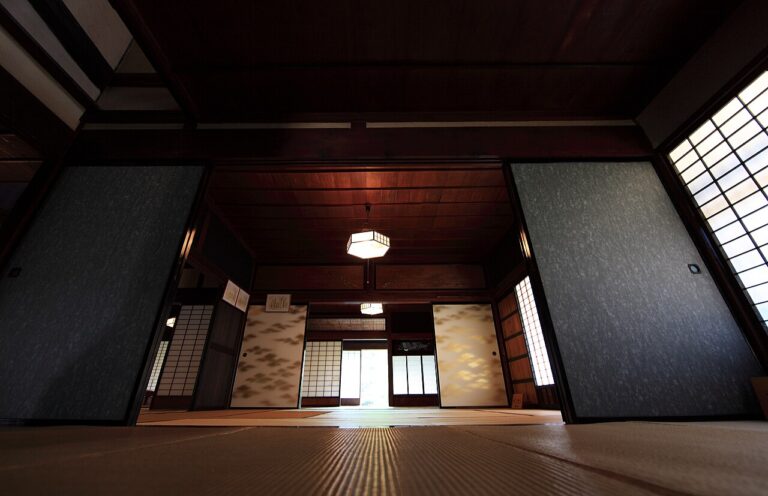
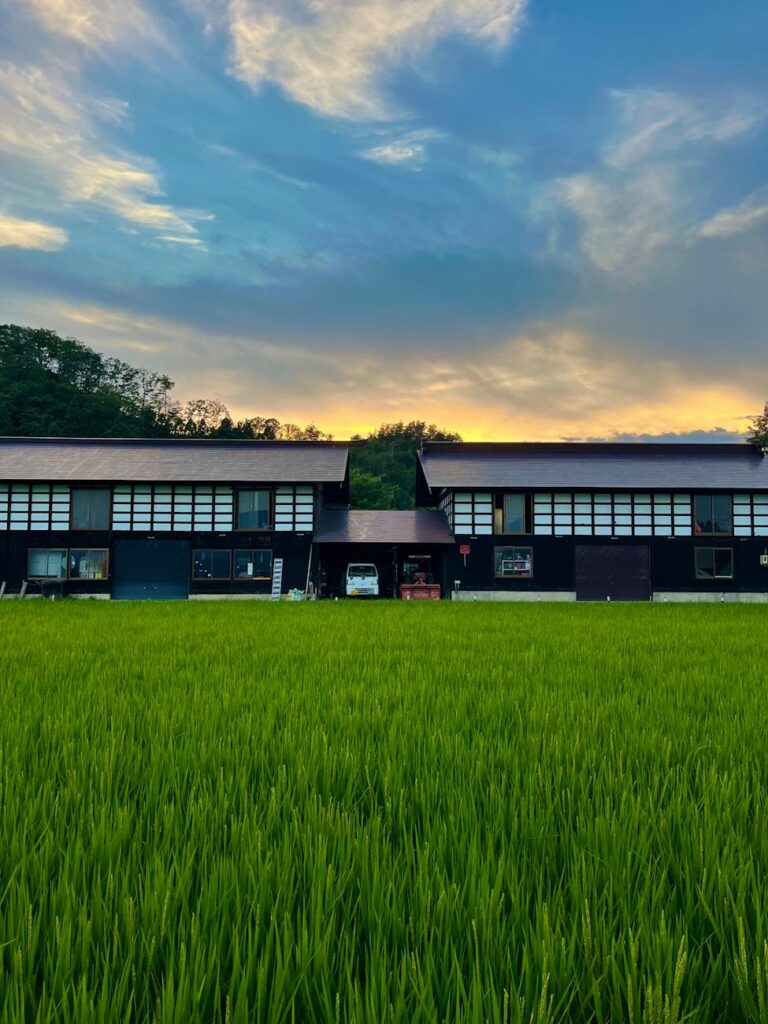
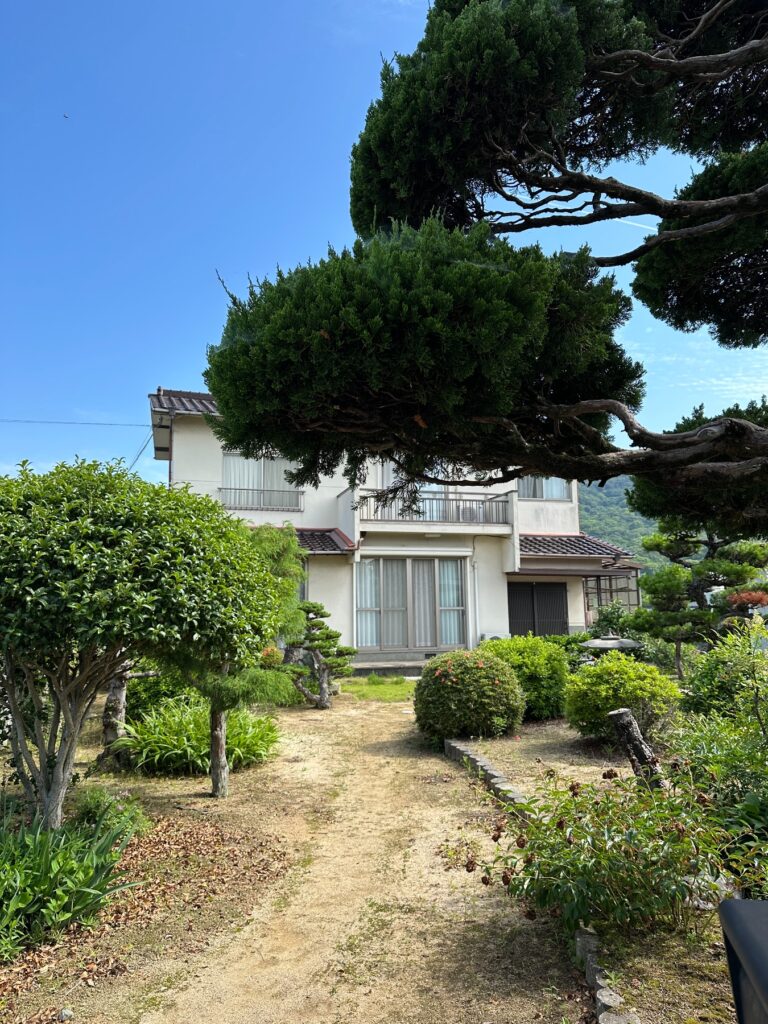
A tiled roof, a quiet garden and a price that makes you stop scrolling. An akiya listing can make owning a home in Japan feel suddenly possible. The next step is finding out whether that particular house fits the life you want.
This checklist is for overseas buyers preparing a shortlist or a viewing trip. You do not need every answer before a first visit, but you do need to know which questions are still open before you commit. (Akiya simply means a vacant home; it says nothing about price, condition or availability. See why vacant homes are not always for sale.)
Key takeaways
- Confirm the basics first: availability, what is included, and whether your planned use is possible.
- Budget the whole project, not just the price: fees, inspection, repairs, furnishing and upkeep.
- A pleasant viewing is not an inspection. Ask for records and a professional check.
- Check hazard maps, utilities and daily life for the exact address.
- Plan who will look after the house before you buy.
- An unanswered question stays open. Don’t let it turn into a “yes” because you like the house.
In this guide
- Is it available, and what is included?
- Does it suit how you plan to use it?
- What will the whole project cost?
- What is known about the condition?
- Access, boundaries and future work
- Which utilities work?
- What do the hazard maps show?
- Would daily life work for you?
- Who will care for the house?
- Who answers each open question?
- Compare your shortlist
1. Is This Home Available, and What Is Included?
Ask
- Is the seller still accepting enquiries, and at what price?
- Can I have a current floor plan and a description of the land, buildings, parking and outbuildings?
- Will furniture and stored belongings stay or be removed?
Keep the original listing and the date of the agent’s reply together, so you can spot changes.
2. Does It Suit the Way You Plan to Use It?
A home for occasional stays, a full-time residence and a rental business need different research. Write down your intended use before choosing a region.
Ask
- What needs checking for my intended use at this specific address? (Ask the agent and the municipal office.)
- If rental income is part of the plan, is that use actually permitted here?
A house being for sale does not mean your plan for it is allowed. Check before you count on rental income.
3. What Will the Whole Project Cost?
| Budget line | What to get |
|---|---|
| Purchase price | The confirmed asking price, in writing. |
| Agent’s fee and transaction costs | The fee agreed in advance. MLIT’s guidance explains fee limits, including special rules for low-priced homes. |
| Inspection | A quote for what the inspection covers. |
| Repairs and renovation | Written estimates that separate confirmed amounts from allowances. |
| Furnishing, travel and coordination | Your own estimate, including translation or support if needed. |
| Ongoing care | A yearly figure for upkeep, management and taxes. |
Avoid using one flat percentage for every akiya; the property and the work it needs make the difference.
For a real example of the full cost, see every yen I paid for my own akiya.
4. What Is Known About the Building’s Condition?
Ask
- When was it built, and are plans and renovation records available?
- Are there records of leaks, pest treatment or repairs?
- Can a qualified professional inspect it, and what would the inspection cover?
At the viewing, note anything that deserves a professional look, such as water stains or uneven floors. Photos and a pleasant visit cannot show concealed parts of a house, and an inspection is not a guarantee either: MLIT’s inspection guidance describes a basic check centered on visual methods. See also buying a house without a guarantee on condition.
5. Access, Boundaries and Future Work
Ask
- Which road gives access, and are there shared access arrangements?
- What is known about the boundaries?
- Can I carry out the work I have in mind (rebuilding, extending, major renovation), and what must be checked before I buy?
For building plans, have the local office and an appropriate building professional assess the site. Japan Zoning Explained covers rebuild restrictions.
6. Which Utilities Are Connected and Working?
Ask
- What is the water supply and drainage? Are electricity and gas connected?
- Which services can be tested at the viewing, and which are disconnected?
- Is internet available at this address? (Don’t rely on town-wide coverage claims.)
Get separate estimates for anything that needs repair, replacement or reconnection.
7. What Do the Official Hazard Maps Show?
Look up the exact location on Japan’s Hazard Map Portal, which covers flood, landslide, storm-surge and tsunami risk. Read each map’s legend, then check the municipality’s own information and evacuation guidance. Save the link and the location you checked.
A map is a starting point for questions, not a guarantee of safety. If a layer is unclear or missing, ask the local authority rather than assuming there is no risk.
8. Would Daily Life Here Work for You?
Plan a normal day, not just a nice weekend:
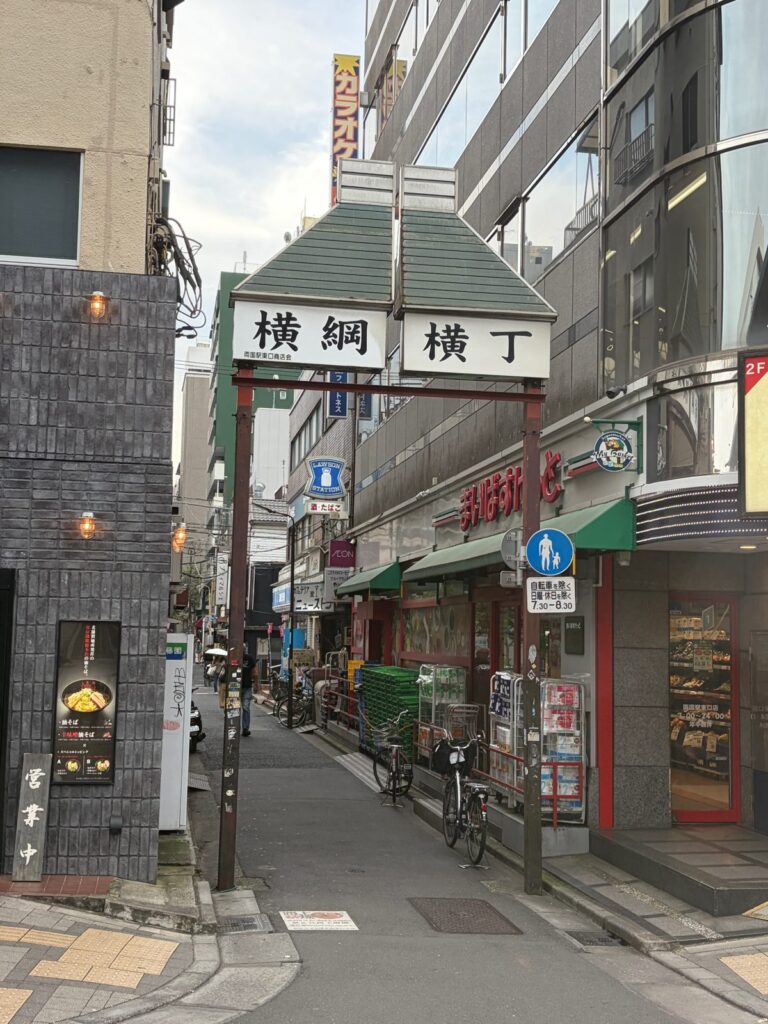
- How far are groceries, medical care and the nearest station? If you won’t drive, test the actual journey and timetable.
- What are the seasons like, and how do rubbish collection and neighborhood arrangements work?
- If you can, walk the area and come back at a different time of day.
9. Who Will Care for the House When You Are Away?
Before buying a home you will use part of the year, decide who will hold keys, visit, report problems and arrange repairs. Agree the scope, visit frequency, photos and emergency contacts in writing, and get an estimate for this house and your expected absences. MLIT’s vacant-home guidance stresses regular ventilation and garden care.
10. Who Is Responsible for Each Remaining Answer?
The agent, a building professional, the municipality and other specialists will each answer different questions. Keep a simple list:
| Question | Who answers | Evidence still needed |
|---|---|---|
| Can the home be rebuilt? | Municipal office, building professional | Written confirmation for the address |
| Is the roof sound? | Inspector | Inspection report |
| What is the agent’s fee? | Agent | Written fee agreement |
Ask for time, and language support, to understand documents before signing. The formal important-matters briefing is part of every agent-mediated sale; a casual conversation at a viewing is no substitute.
A Simple Way to Compare Your Shortlist
Give each property a status for every question, with the source and date of each answer:
| Stage | What to do |
|---|---|
| Before booking travel | Confirm availability, viewing access, your main requirements and any obvious mismatch. |
| At the viewing | Record what you see, ask before taking photos, and list follow-up questions. |
| Before committing | Resolve the issues that affect your decision, with professionals and written information. |
Need help organizing priorities, research and communication? See how akiya consulting supports overseas buyers, and clarify which work needs a separately appointed professional.
Start with a Conversation About Your Japan Home Plans
Bring your priorities and open questions to a free 30-minute consultation with Yuko. You don’t need to have chosen a property. You can also browse our FAQ and consulting services.
Sources and scope: official sources linked above were checked on October 12, 2026. This is a preparation checklist, not a property assessment or advice on a specific transaction. Confirm current requirements with the relevant authority and qualified professionals.
Let’s talk about your plans for Japan.
Book a free introductory call with Yuko. We’ll discuss your goals, explain our services and explore whether working together is the right fit for you.