
Japan Zoning Explained for Property Buyers: Use Districts, Non-Area-Divided Cities & Buildability Risks
If you’re considering buying property in Japan – whether it’s an akiya (vacant home), rural farmland, or residential land – you’ve likely encountered confusing terms like chimoku, yoto chiiki, and shigaika kuiki. These aren’t just bureaucratic jargon. They represent four completely separate land regulation systems that determine what you can actually do with a property, even if it looks perfectly residential on the surface.
Many buyers discover too late that their dream countryside home sits on land where new construction is restricted, or that a “residential” property on paper requires special permits to rebuild. This article explains Japan’s four independent land systems in plain English, so you can conduct proper due diligence before making a purchase.
Why Understanding These Systems Matters
Unlike many Western countries where zoning alone determines land use, Japan operates multiple overlapping systems managed by different government levels. A property might be:
- Registered as residential land (takuchi) but located in an urbanization control area where building is restricted
- Classified as agricultural land (hatake) but zoned for residential development
- Designated as forest land (sanrin) yet sitting in an area where development is encouraged
Each system serves a different purpose, is managed by different authorities, and provides different information. Confusing them or checking only one can lead to expensive mistakes.
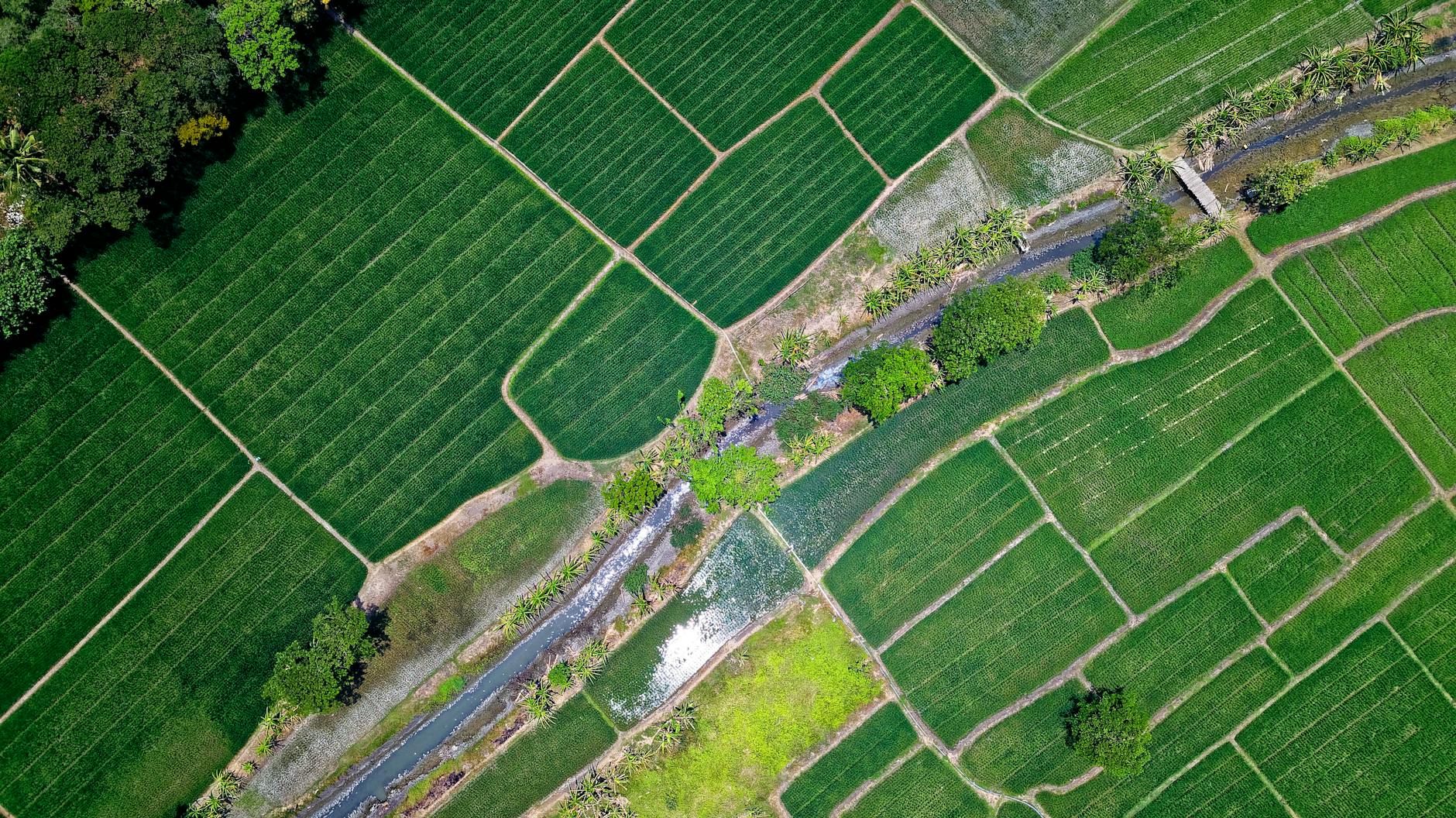
System 1: Land Category (地目 / Chimoku)
What It Is
Land category is the legal classification registered on your land title (登記簿 / tokibo). This is part of Japan’s official property registration system and represents the land’s legal status in government records.
All 23 Official Land Categories
Japan’s land registry system recognizes exactly 23 land categories under the Real Estate Registration Act:
- 田 (Ta) – Paddy field
- 畑 (Hatake) – Dry field/farmland
- 宅地 (Takuchi) – Residential land
- 学校用地 (Gakko Yochi) – School land
- 鉄道用地 (Tetsudo Yochi) – Railway land
- 塩田 (Shioden) – Salt field
- 鉱泉地 (Kosen Chi) – Hot spring land
- 池沼 (Chisho) – Pond/marsh
- 山林 (Sanrin) – Forest land
- 牧場 (Bokujō) – Pasture
- 原野 (Gen’ya) – Wilderness/uncultivated land
- 墓地 (Bochi) – Cemetery
- 境内地 (Keidaichi) – Religious precinct (temple/shrine grounds)
- 運河用地 (Unga Yochi) – Canal land
- 水道用地 (Suido Yochi) – Waterworks land
- 用悪水路 (Yo Akusui Ro) – Irrigation/drainage channel
- ため池 (Tameike) – Reservoir
- 堤 (Tsutsumi) – Embankment
- 井溝 (Seiko) – Well/ditch
- 保安林 (Hoan Rin) – Protected forest
- 公衆用道路 (Koshu Yo Doro) – Public road
- 公園 (Koen) – Park
- 雑種地 (Zasshuchi) – Miscellaneous land (catch-all category for land that doesn’t fit other classifications)
Most Common Categories for Property Buyers
Buyers will most frequently encounter:
- 宅地 (Takuchi) – Residential land
- 田 (Ta) / 畑 (Hatake) – Agricultural land
- 山林 (Sanrin) – Forest land
- 雑種地 (Zasshuchi) – Miscellaneous land
- 原野 (Gen’ya) – Wilderness
Who Controls It
The Ministry of Justice through the Legal Affairs Bureau (Homukyoku). Changes to land category require official registration procedures.
What It Does
- Establishes the legal identity of the land on your title deed
- Affects property taxation rates (agricultural land is taxed differently than residential land)
- Provides historical context about how the land was originally used
- Required for ownership transfer and registration
What It Does NOT Do
Land category does not control building permissions. This is the most critical point buyers miss.
You can have land registered as takuchi (residential) where building is severely restricted, or land registered as hatake (farmland) where residential development is actually permitted under local rules.
Why It Matters for Property Buyers
When viewing property listings, you’ll see the land category clearly stated. Don’t assume this tells you what you can build. It’s simply the legal registration status, nothing more, nothing less.
Important note on agricultural land: If land is registered as ta (paddy field) or hatake (dry field), farmland conversion procedures and Agricultural Committee approval may be required before any non-agricultural use, even if surrounding areas appear residential or planning designations seem favorable. This is a separate process that must be addressed regardless of other planning permissions.
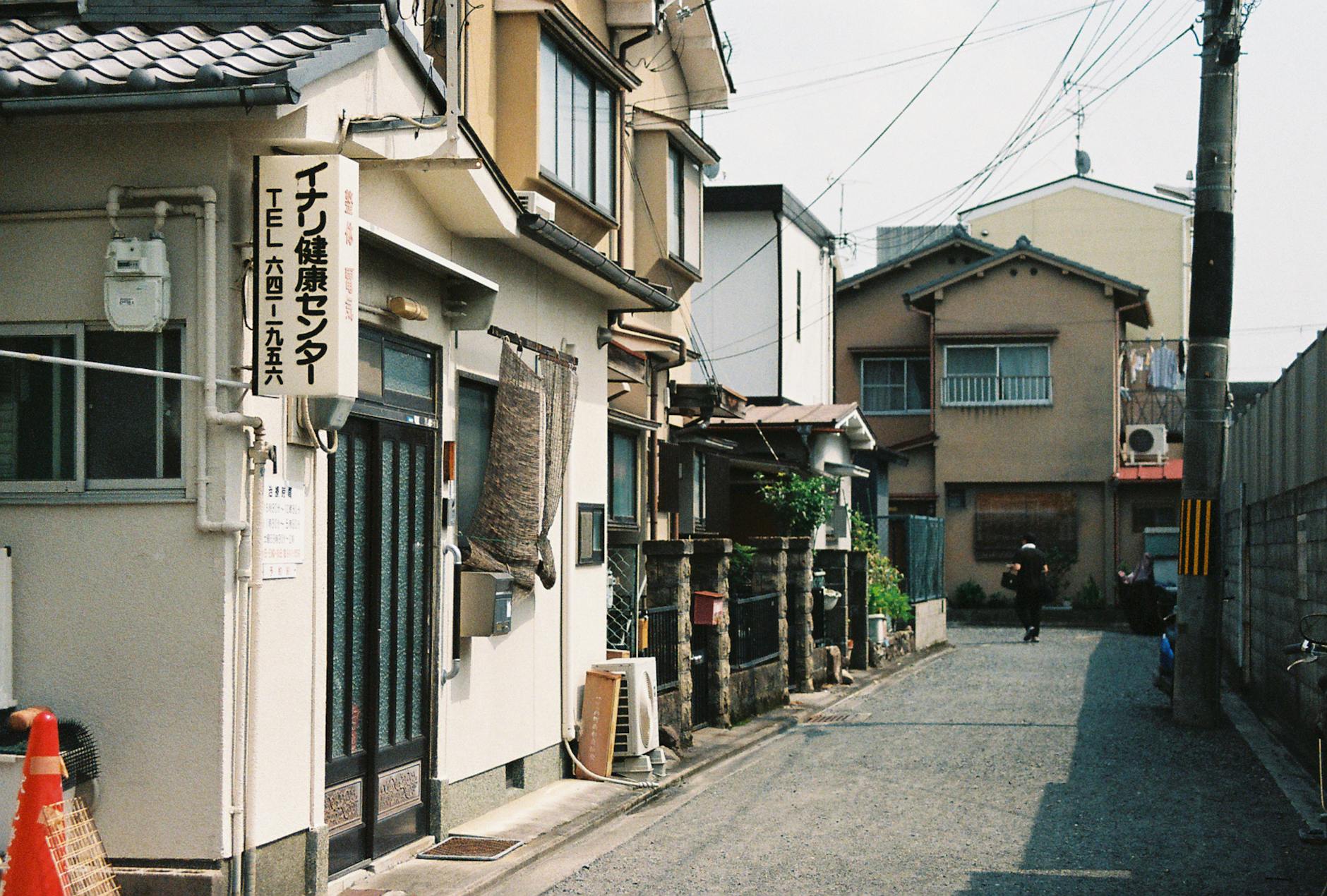
System 2: Zoning (用途地域 / Yoto Chiiki)
What It Is
Zoning is a city planning regulation under Japan’s City Planning Act (Toshi Keikaku Ho). It divides urban and suburban areas into 13 distinct use districts, each permitting different types of buildings and activities.
All 13 Use Districts
Japan’s zoning system includes exactly 13 use districts (yoto chiiki), organized from most to least restrictive for residential character:
Residential Zones (住居系):
- 第一種低層住居専用地域 (Dai-isshu Teiso Jukyo Senyo Chiiki) – Category 1 Exclusively Low-Rise Residential District
- Quietest residential zone with absolute height limits (typically 10m or 12m depending on local designation), resulting in predominantly low-rise buildings; minimal commercial activity
- 第二種低層住居専用地域 (Dai-nishu Teiso Jukyo Senyo Chiiki) – Category 2 Exclusively Low-Rise Residential District
- Low-rise residential with absolute height limits; small neighborhood shops permitted
- 第一種中高層住居専用地域 (Dai-isshu Chukoso Jukyo Senyo Chiiki) – Category 1 Mid/High-Rise Residential District
- Mid-rise residential; allows schools, hospitals, small shops
- 第二種中高層住居専用地域 (Dai-nishu Chukoso Jukyo Senyo Chiiki) – Category 2 Mid/High-Rise Residential District
- Mid-rise residential with moderate commercial facilities
- 第一種住居地域 (Dai-isshu Jukyo Chiiki) – Category 1 Residential District
- Mixed-use residential; allows larger shops, offices, some light businesses
- 第二種住居地域 (Dai-nishu Jukyo Chiiki) – Category 2 Residential District
- More flexible residential zone; permits karaoke, pachinko, small-scale entertainment
- 準住居地域 (Jun Jukyo Chiiki) – Quasi-Residential District
- Roadside mixed-use; residential alongside automotive services, warehouses
- 田園住居地域 (Den-en Jukyo Chiiki) – Cultivated Land Residential District
- Residential area integrated with farmland; protects agricultural landscape while allowing low-rise housing
Commercial Zones (商業系):
- 近隣商業地域 (Kinrin Shogyo Chiiki) – Neighborhood Commercial District
- Local shopping districts; residential buildings permitted
- 商業地域 (Shogyo Chiiki) – Commercial District
- Downtown/business centers; high-density mixed-use; few restrictions
Industrial Zones (工業系):
- 準工業地域 (Jun Kogyo Chiiki) – Quasi-Industrial District
- Light industry mixed with residential; some hazardous industries prohibited
- 工業地域 (Kogyo Chiiki) – Industrial District
- Primarily industrial; residential permitted but limited public facilities
- 工業専用地域 (Kogyo Senyo Chiiki) – Exclusively Industrial District
- Industrial only; residential buildings prohibited
Who Controls It
Local municipal governments (cities, towns, villages) under prefectural oversight, following national City Planning Act standards.
What It Does
- Determines what types of buildings are allowed (residential, commercial, industrial, mixed-use)
- Sets building coverage ratio (kenpei-ritsu) and floor area ratio (yoseki-ritsu)
- Controls building height and setback requirements
- Regulates noise levels and permitted business activities
- Defines specific prohibited building types for each zone
What It Does NOT Do
- Zoning does not change your land registration or land category
- Zoning does not override urbanization control restrictions (explained below)
- Zoning does not guarantee building permits will be issued
Why It Matters for Property Buyers
Zoning tells you what kind of structure you can build if building is permitted in that location. But zoning alone doesn’t confirm you can build at all. You must also check the urbanization designation.
Important: Not all land in Japan has a designated use district. Areas without zoning designation are common in rural Japan, which doesn’t mean building is prohibited. It means different rules apply through local ordinances and case-by-case evaluation.

System 3: Urbanization Designation
This system divides land into areas where development is encouraged versus areas where it’s restricted. It’s managed separately from both land category and zoning.
市街化区域 (Shigaika Kuiki) – Urbanization Promotion Area
These are areas where development is actively encouraged. Most residential construction happens here. Infrastructure like water, sewage, and roads is typically well-maintained and expanding.
- New construction is generally permitted (subject to zoning rules)
- Building permits follow standard procedures
- Infrastructure development is prioritized
市街化調整区域 (Shigaika Chosei Kuiki) – Urbanization Control Area
These are areas where development is restricted to preserve farmland, control urban sprawl, and maintain rural character.
- New residential construction is often prohibited or heavily restricted
- Exceptions exist for agricultural buildings, rebuilding existing structures, or designated relaxation zones
- Special permits may be required, with strict conditions
- Many affordable akiya and rural properties fall into this category
Who Controls It
Prefectural and municipal governments under the City Planning Act.
What It Does
- Fundamentally determines whether new construction is feasible
- Affects property values significantly (control areas are usually cheaper)
- Influences availability of public services and infrastructure
What It Does NOT Do
- It doesn’t prohibit ownership by anyone
- It doesn’t automatically prevent all building. Exceptions and case-by-case approvals exist
- It doesn’t change the land category on your title
Why It Matters for Property Buyers
This is often the deal-breaker for renovation projects. Many buyers find affordable akiya in urbanization control areas, only to discover they cannot obtain permits to rebuild if the structure is demolished. You may be able to renovate existing structures but not construct new ones.
Critical point: Always verify the urbanization designation before purchase, especially for rural properties.
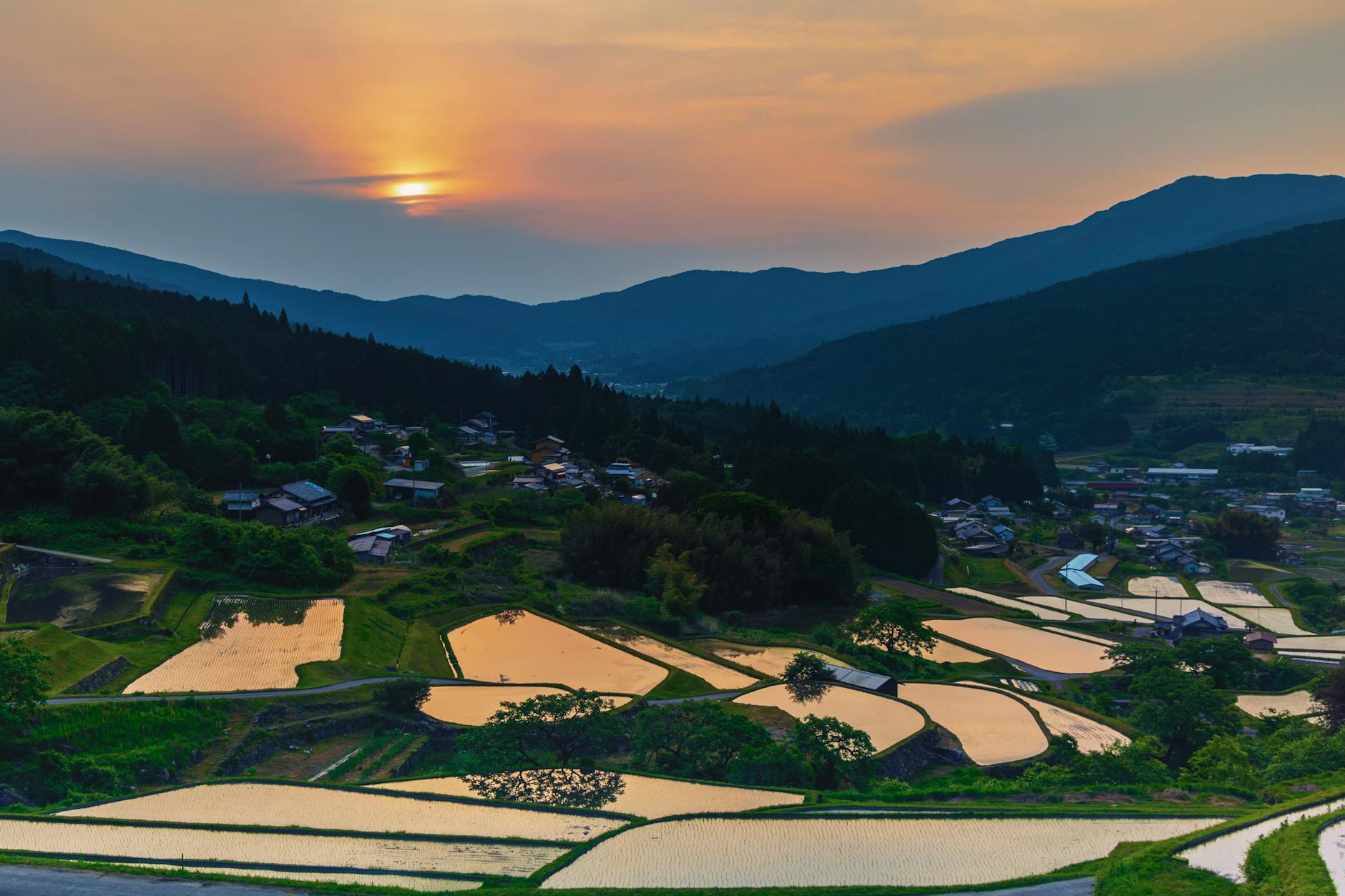
System 4: Non-Area-Divided City Planning Areas (線引きされていない区域)
What It Is
These are officially designated Non-Area-Divided City Planning Areas where urbanization promotion and control boundaries have not been designated. This is a recognized planning category under Japan’s City Planning Act, not an absence of planning. Instead of being divided into promotion or control areas, development is evaluated case-by-case under local ordinances.
Where They’re Found
- Common in rural Japan, smaller cities, and regional areas
- Areas without significant urban development pressure
- Regions where urbanization boundaries have not been designated
Who Controls It
Local municipal governments, often with significant discretion in decision-making.
What It Does
- Development applications are reviewed individually based on local ordinances
- Standards vary significantly between municipalities
- May have fewer restrictions than urbanization control areas, or may have unique local requirements
What It Does NOT Do
- It’s not the same as having no regulations. Local building codes still apply
- It doesn’t mean automatic approval for construction
- It doesn’t eliminate the need for permits
Why It Matters for Property Buyers
Buyers often assume rural land in non-area-divided planning areas has fewer restrictions. The reality is more nuanced. You’ll need to consult the local government (yakuba) to understand specific requirements for your plot. Rules can vary dramatically between neighboring towns.
This category is frequently misunderstood because it lacks the clear-cut boundaries of the urbanization promotion/control system, requiring more research and local consultation.
Comparison: The Four Systems at a Glance
| System | Managed By | What It Controls | What It Doesn’t Control | Where to Check |
|---|---|---|---|---|
| Land Category | Ministry of Justice | Legal land classification, taxation | Building permissions, usage rights | Land Registry Office (Homukyoku) |
| Zoning | Municipal Government | Building type, size, height, use | Land registration, urbanization status | City Planning Department (Toshi Keikaku-ka) |
| Urbanization Designation | Prefecture/Municipality | Where development is encouraged/restricted | Land category, zoning details, ownership | City Planning Department |
| Non-Area-Divided | Municipal Government | Case-by-case development review | Uniform standards, automatic approvals | Local Government Office (Yakuba) |
Common Misunderstandings Buyers Make
- “The land is registered as takuchi (residential), so I can build a house” – Land category doesn’t control building permissions. You must check urbanization designation and zoning.
- “It’s zoned residential, so construction is allowed” – Zoning sets building standards if construction is permitted. Urbanization control areas may still prohibit new building regardless of zoning.
- “The property is in an urbanization control area, so I definitely can’t build” – Exceptions exist, especially for rebuilding, agricultural structures, or designated relaxation zones. Always verify specific restrictions.
- “Rural land has fewer regulations” – Rural land may fall under non-area-divided planning or control areas with complex case-by-case rules. Assumptions are dangerous.
- “The real estate agent confirmed it’s buildable” – Agents can be mistaken or may check only one system. Independent verification with local government offices is essential.
- “Changing the land category will solve my building restrictions” – Changing land category is an administrative process that doesn’t automatically change urbanization designation or zoning.
- “The land looks residential, so I don’t need to worry about farmland conversion” – Land registered as ta or hatake may require Agricultural Committee approval regardless of appearance or surrounding development.
What to Check Before You Buy
Before committing to any property purchase in Japan, complete these verification steps:
- Request the full land registry (tokibo) and confirm the land category
- Visit the local City Planning Department and request the toshi keikaku zumen (city planning map) showing zoning and urbanization designation
- Verify with the municipal government (yakuba) whether the specific plot permits new construction, and under what conditions
- If in a control area or non-area-divided area, ask about exceptions, relaxation zones, or recent precedent for similar applications
- Request building permit history for the property, if available, to understand past approvals (note: availability varies by municipality and age of records)
- Consult a licensed administrative scrivener (gyoseishoshi) or attorney specializing in real estate for complex situations
- If purchasing farmland (ta or hatake), verify Agricultural Committee approval requirements and farmland conversion procedures
Never rely solely on:
- Online maps (they may be outdated)
- Real estate agent verbal confirmations
- Assumptions based on neighboring properties
- The property’s current appearance
Disclaimer
This article provides general educational information about Japan’s land regulation systems and is intended for informational purposes only. It does not constitute legal, tax, or real estate advice. Land regulations vary by municipality and are subject to change. Always consult qualified professionals, including licensed real estate attorneys, administrative scriveners, and local government offices, before making property purchase decisions. The author and publisher assume no liability for actions taken based on this information.
Conclusion: Due Diligence Saves Money and Heartbreak
Japan’s property market offers remarkable opportunities for buyers, from affordable akiya to scenic rural land. But the country’s multi-layered land regulation systems require careful navigation.
Understanding that land category, zoning, urbanization designation, and area-divided status are four independent systems, each serving different purposes and managed by different authorities, is your first step toward making an informed purchase.
Don’t rely on assumptions or single-source information. Check all four systems independently, verify information with local government offices, and consider professional guidance for complex situations. The hours spent on proper due diligence now can prevent years of regret and financial loss later.
Japan’s land systems exist for good reasons: preserving agricultural land, controlling urban sprawl, and maintaining community character. By understanding and respecting these systems, you’ll find the right property that meets both your dreams and Japan’s regulatory reality.