
Can Foreigners Buy Property in Japan? What Foreign Buyers Should Know in 2025
Will Japan Restrict Foreign Property Ownership?
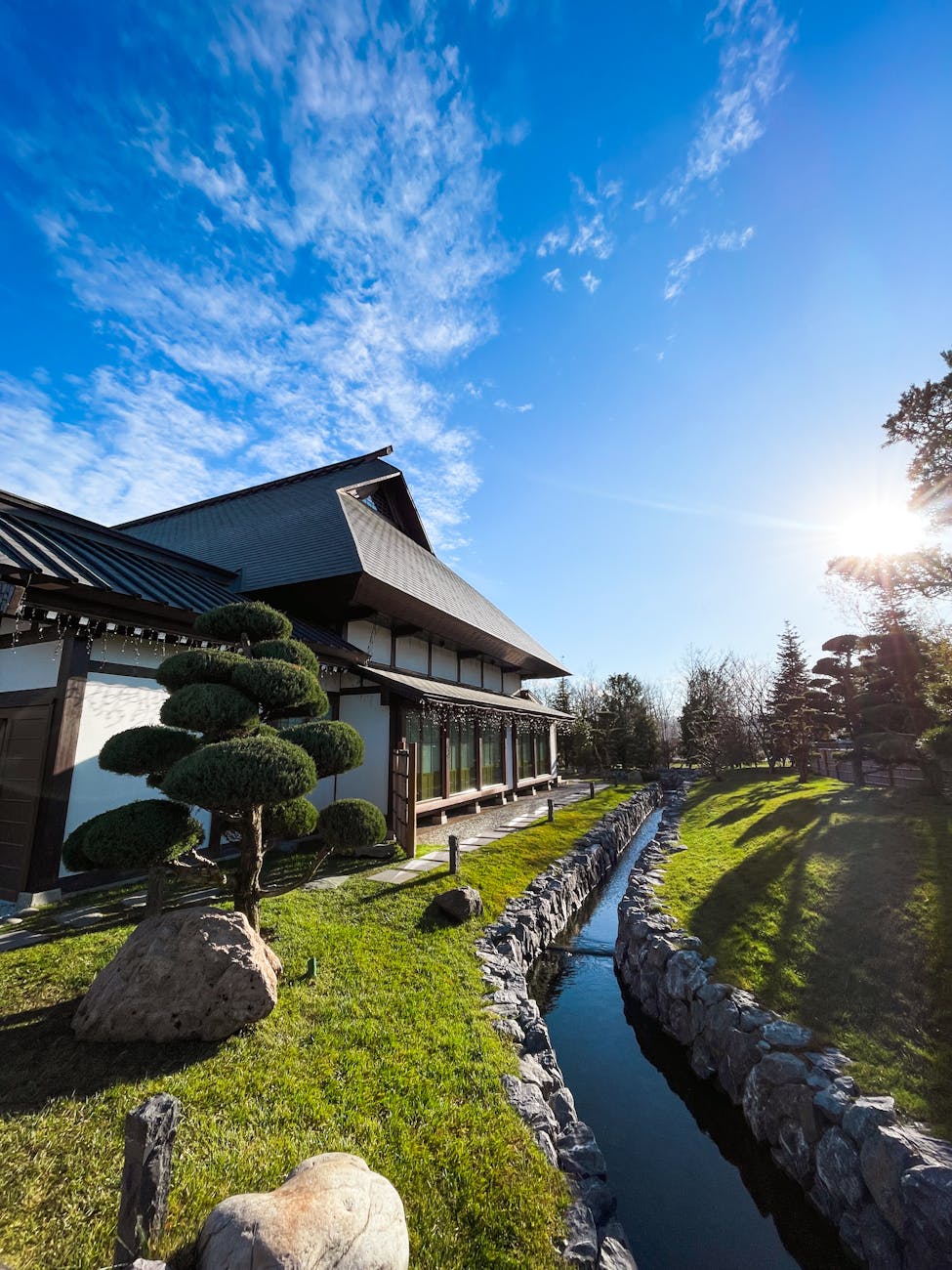
If you’re researching whether Japan might restrict foreign buyers from purchasing property, you’re not alone. Recent headlines about land ownership and regulatory changes have raised questions for international buyers especially those interested in akiya (abandoned homes).
Here’s the short answer: Japan still allows foreigners to buy property. There are no current restrictions on foreign ownership of residential real estate, including older homes and akiya.
Let’s break down what’s actually happening, what changed recently in Osaka, and what it means for individual buyers like you.
If you want a deeper breakdown of how foreign buyers purchase homes in Japan, you can start with the 2025 Akiya Buying Guide. It covers the basics and recent rule changes.
The Difference Between Property Ownership and Short-Term Rental Rules
One reason for confusion is that property ownership laws and short-term rental regulations are two completely different things.
Property ownership is governed at the national level. These are the rules that determine who can buy land and buildings in Japan. Right now, those rules are the same for Japanese citizens and foreigners.
Short-term rental regulations are often managed at the local level. Cities and prefectures can create their own rules about how properties are used especially for things like Airbnb and vacation rentals.
A recent change in Osaka is a good example of this distinction.
What Happened in Osaka? The Tokku Minpaku Ordinance Change
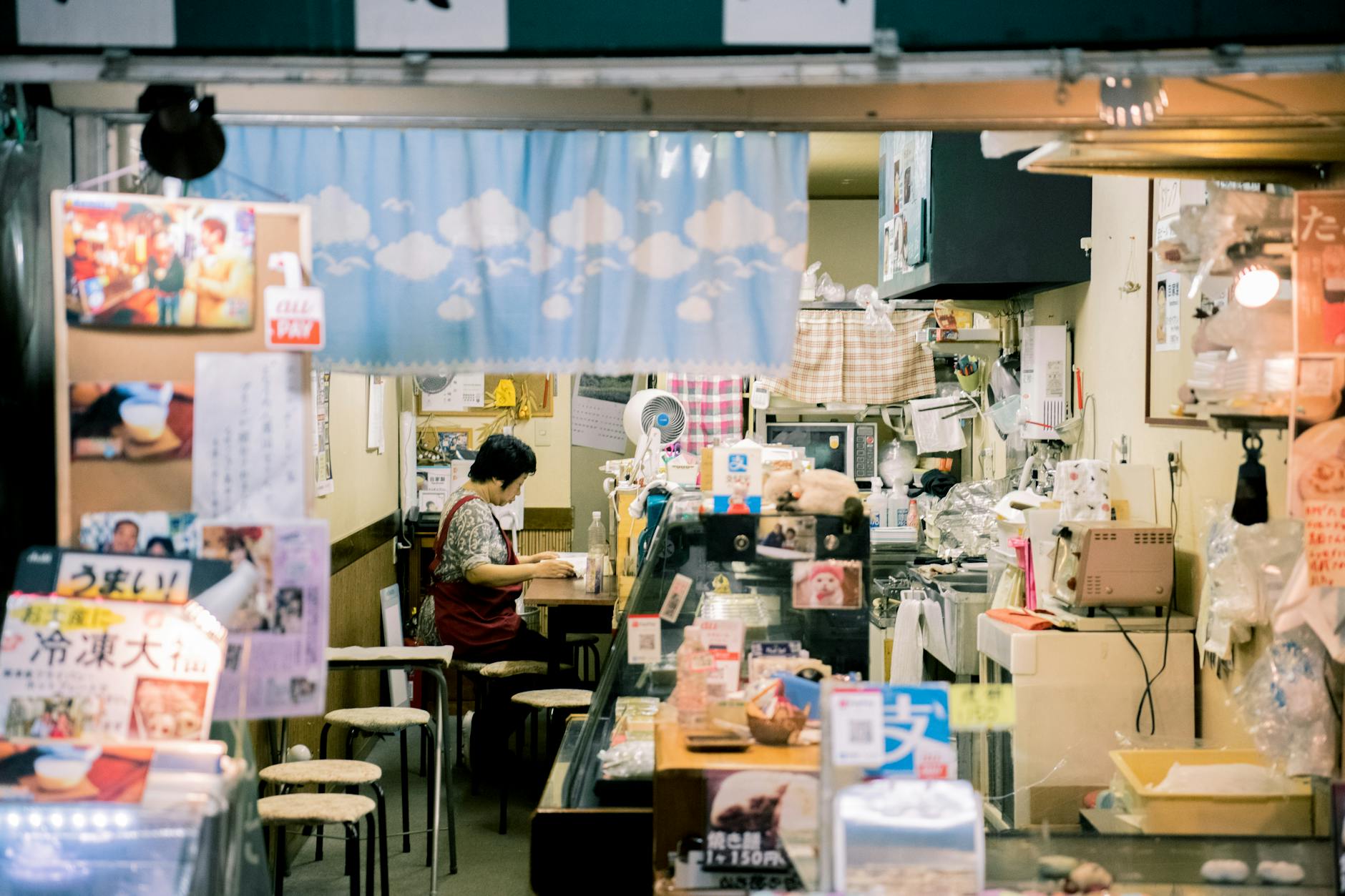
In early 2025, shortly after a new city administration took office, Osaka City announced it would stop accepting new applications for the “tokku minpaku” special exemption by May 2026.
This exemption allowed property owners to operate short-term rentals (like Airbnb) with fewer restrictions than the national law requires. It was introduced years ago to encourage tourism, but over time, neighbors raised concerns about noise, trash, and safety.
So the city decided to phase it out.
This change affected short-term rental operators not homebuyers. If you were planning to buy an akiya in Osaka and live in it, renovate it, or rent it long-term, this rule change didn’t apply to you.
But it does show how quickly local ordinances can shift, especially when they involve commercial use of residential properties.
You can read more about the Osaka minpaku changes in this NHK World report.
Recent Visa Rule Changes: What’s Different?
Another recent example of quick regulatory change involves Japan’s Business Manager Visa.
In October 2025, the Immigration Services Agency tightened requirements for the Business Manager Visa, which foreign entrepreneurs use to start businesses in Japan. The new rules require stronger business plans, clearer financial documentation, and proof of ongoing operations.
This change happened relatively quickly after the current administration took office and it caught many applicants off guard.
But here’s the key difference: this was a visa rule, not a property ownership rule. It affects how foreigners can stay and work in Japan, not whether they can buy real estate.
It’s another reminder that immigration and business regulations can shift faster than property laws but they’re entirely separate systems.
What About Foreign Land Ownership Restrictions?
You may have also seen news about Japan considering restrictions on foreign ownership of land near sensitive areas.
According to The Asahi Shimbun, Japan passed a law in 2021 that allows the government to monitor and potentially restrict foreign purchases of land near military bases, nuclear plants, and other critical infrastructure.
This law targets large-scale or strategic land purchases not individual homebuyers purchasing residential property in rural or suburban areas.
If you’re buying an akiya in the countryside, a small-town machiya, or a residential property in a standard neighborhood, this regulation doesn’t apply to you.
How Is This Different From Buying an Akiya?
When you buy an akiya, you’re purchasing property under Japan’s national ownership laws. Those laws have been stable for decades.
Local rules like the Osaka rental ordinance can change faster because they’re designed to address specific community issues. Immigration rules, like the Business Manager Visa changes, can also shift quickly because they fall under administrative policy, not legislation.
But buying a home is not the same as operating a business in that home or applying for a work visa.
If Japan were ever to change its rules around foreign residential property ownership, it would likely:
- Happen at the national level
- Take years to pass through legislation
- Be implemented in phases, not overnight
- Possibly include exemptions for existing owners
Think of it this way: national property laws move slowly. Local rental rules and visa policies move quickly.
A Helpful Comparison: How Hawaii Handles Foreign and Second-Home Buyers
To put this in perspective, let’s look at how Hawaii manages foreign investment and second homes.
In Hawaii, property taxes are higher for non-primary residences and foreign investors. If you don’t live in the home full-time, you pay a higher rate. This discourages speculative buying and helps protect housing for local residents.
In Japan, the property tax rate is the same whether you’re a resident, non-resident, Japanese citizen, or foreign buyer. There’s no extra tax for second homes or foreign ownership.
If Japan ever adjusts its approach, it might introduce something similar, a small tax difference or registration requirement rather than an outright ban. That’s far more realistic than suddenly prohibiting foreign buyers.
Are Akiya Buyers at Risk?
No. Individual buyers purchasing older homes or akiya are not the focus of any current policy discussion.
When governments talk about foreign land ownership, they’re usually concerned with:
- Large-scale land purchases near sensitive areas
- Speculative investment in urban housing markets
- National security or infrastructure-related properties
A foreigner buying a rural akiya to restore and live in? That’s not on the radar.
What Should You Do If You’re Considering Buying an Akiya?
If you’ve been waiting to buy an akiya because you’re worried about future restrictions, here’s what you should know:
There are no current restrictions. You can move forward with confidence.
Timing is on your side. If any changes do happen, they’ll likely be phased in over time, and existing owners would probably be protected.
Local rules may evolve. If you’re planning to use your akiya as a short-term rental, check the specific city or prefecture rules. But if you’re buying it to live in, renovate, or rent long-term, you’re in a completely different category.
It’s smart to move now rather than wait. Property laws don’t change overnight, but markets do. Good akiya inventory doesn’t last forever, and acting sooner gives you more options.
The Bottom Line
Foreigners can still buy property in Japan. There is no ban on foreign ownership, and individual akiya buyers are not at risk of sudden policy changes.
Recent changes to Osaka’s short-term rental rules and the Business Manager Visa show that local ordinances and administrative policies can shift quickly but that’s different from national property law, which moves much more slowly and with far more public input.
If you’ve been hesitating, now is a great time to explore your options.
Ready to Start Your Akiya Search?
At Akiya Locations, we help foreign buyers navigate the Japanese real estate market with clarity and confidence. Whether you’re looking for a countryside retreat, a renovation project, or a long-term investment, we’ll guide you through every step.
If you are thinking about buying an akiya in 2025 and want clarity on your situation, you can book a consultation today.
Disclaimer: This article is for informational purposes only and does not constitute legal, financial, or investment advice. Please consult with qualified professionals before making any property purchase decisions.