Minpaku in Osaka: Complete Guide to Starting Your Airbnb Business in Japan (2025)
A 2025 overview of Osaka short-stay accommodation, with an October 2026 update on the closed Tokku application window and current city guidance.
Are you considering running an Airbnb business in Osaka? Understanding Japan’s minpaku (民泊) regulations is crucial before you invest. After consulting with a gyosei shoshi (行政書士 – administrative lawyer), I’m sharing essential insights about operating vacation rentals in Osaka City—and why this may be your last chance to enter this market.
URGENT: Tokku Minpaku Application Deadline – May 29, 2026
Critical deadline alert: The Japanese government has announced that Tokku Minpaku (特区民泊) applications will stop accepting new submissions on May 29, 2026. Anyone who receives approval before this deadline can continue operating, and currently there is no renewal requirement (though this could change in the future).
This may be your last opportunity to secure a 365-day Airbnb license in Osaka.
Three Types of Minpaku Licenses in Japan
1. Shimpo Minpaku (新法民泊) – 180 Days Operation
This standard minpaku license limits operation to 180 days per year. Perfect for property owners who want to use their home part-time and rent it out when not in use.
Best for: Property owners seeking supplemental income or those who want to use the property personally while generating rental income during unused periods.
2. Tokku Minpaku (特区民泊) – 365 Days Operation
This special economic zone accommodation allows year-round operation in designated areas of Osaka. Currently, Tokku Minpaku has no renewal requirement—though regulations may evolve over time.
⏰ Application Deadline: May 29, 2026 (Final opportunity)
Best for: Investors seeking maximum ROI with year-round operation capability.
3. Ryokan-gyo (旅館業) – 365 Days Hotel License
This traditional hotel business license allows full-year operation without stay duration limits. However, it has the strictest requirements of all three license types.
Best for: Dedicated hospitality businesses willing to invest in significant property modifications.
Common Requirements for All Minpaku Licenses
✅ Zoning Requirements (ALL licenses)
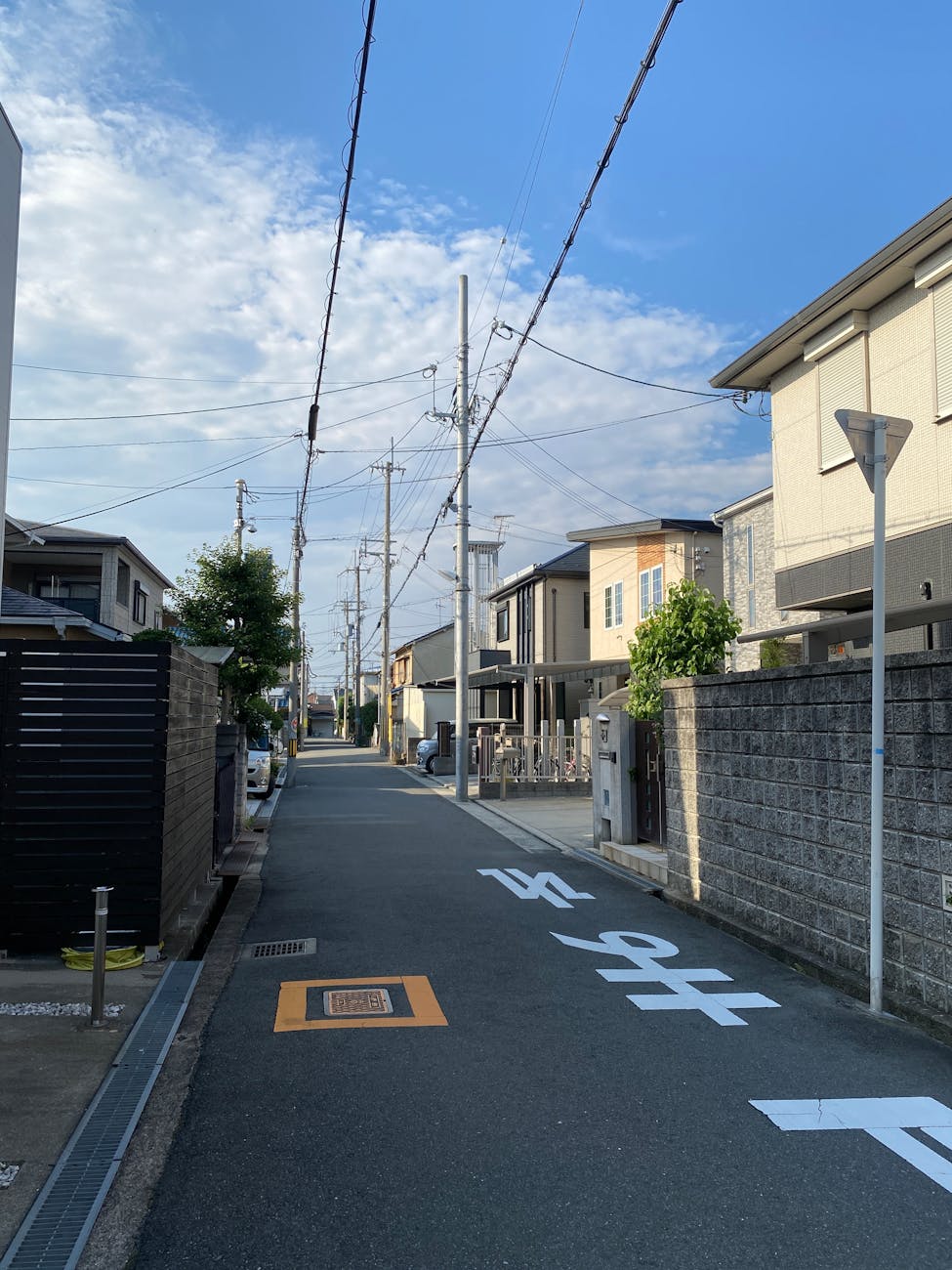
Your property must be located in one of these 6 designated zone categories (用途地域):
- 第1種住居地域 (Category 1 Residential Area)
- 第2種住居地域 (Category 2 Residential Area)
- 準住居地域 (Quasi-Residential Area)
- 準工業地域 (Quasi-Industrial Area)
- 近隣商業地域 (Neighborhood Commercial Area)
- 商業地域 (Commercial Area)
⚠️ CRITICAL: Properties in residential-only zones (住居専用地域) such as 第1種低層住居専用地域 or 第2種中高層住居専用地域 are NOT eligible for minpaku. Note the difference between “residential area” (住居地域) and “residential-only area” (住居専用地域).
Check your zoning: Map Navi Osaka
✅ Facility Requirements (ALL licenses)
The property must have at least one of each:
- Kitchen (キッチン)
- Bathroom/Bath (風呂)
- Sink/Washbasin (洗面所)
- Toilet (トイレ)
Additional Requirements by License Type
Shinpo Minpaku (新法民泊) Specific Requirements:
Beyond common requirements, you need:
✅ School Distance Rule: No elementary school within 100 meters of the property
- If an elementary school exists within 100m, you can still operate BUT only on weekends
- Weekday operation becomes prohibited, significantly limiting your business potential
✅ Bi-Monthly Reporting: Report to the government every 2 months
- Number of guests
- Guest nationalities
✅ Management Requirement: Must hire either:
- A housing management business operator (住宅管理事業者), OR
- Someone who holds a real estate transaction license (宅建保持者)
✅ Operating Days: Maximum 180 days per year
Tokku Minpaku (特区民泊) Specific Requirements:
All common requirements PLUS:
✅ Minimum Size: Property must be 25㎡ or larger (measured from wall center/壁芯)
✅ Management Company: Must hire a management company (運用代行会社) to handle operations – self-management not permitted
✅ Minimum Stay: 2-night / 3-day minimum stay (Osaka City guidance)
✅ Application Deadline: Must submit by May 29, 2026
✅ Operating Days: 365 days per year
✅ No Renewal Required (currently – subject to potential future regulatory changes)
Ryokan-gyo (旅館業) Specific Requirements:
All common requirements PLUS:
✅ Stricter Building Standards:
- Hallway width regulations
- Window size requirements
- Higher safety and structural standards
✅ Renovation Requirements: Single-family homes typically require significant modifications to meet hotel-grade standards
✅ Operating Days: 365 days per year with no minimum stay requirements
Property Type Considerations
✅ Independent Single-Family Homes (独立した戸建て)
If your property meets all the requirements above, minpaku approval is almost guaranteed for both Tokku and Shinpo licenses.
⚠️ Townhouses/Row Houses (連棟長屋) or Condos/Apartments (マンション・アパート)
These require additional investigation because:
Fire Safety Complexity: When minpaku operates in part of a larger building, regulations vary:
- Case 1: Fire safety equipment required throughout the entire building
- Case 2: Fire safety equipment required only in the minpaku unit
The determination depends on:
- Building structure and layout
- Existing fire safety systems
- Local fire department (消防署) assessment
Required Steps:
- On-site property inspection
- Consultation with local fire department
- Professional assessment by gyosei shoshi
Note: This investigation requires a separate inspection fee to determine minpaku eligibility.
Timeline to Meet the Tokku Minpaku Deadline
If you want to secure a 365-day license before the final deadline:
- By December 31, 2025: Identify and acquire your property
- January-February 2026: Complete property inspection, hire gyosei shoshi, prepare application
- By February 28, 2026: Submit complete application
- Before May 29, 2026: Receive approval
This is your last chance – after May 29, 2026, no new Tokku Minpaku applications will be accepted.
Why Osaka Minpaku Makes Sense Now
MGM Integrated Resort Coming to Osaka in 2030
Osaka is experiencing a historic transformation in its tourism infrastructure. MGM Resorts is bringing Japan’s first integrated resort (IR) and casino to Osaka in 2030, marking a watershed moment for the region’s hospitality industry.
This development will:
✅ Create unprecedented accommodation demand: The integrated resort will attract millions of international visitors annually
✅ Drive room shortages: Hotels alone cannot meet the influx of tourists expected with the IR opening
✅ Attract high-spending tourists: Casino and entertainment visitors typically seek luxury accommodations and extended stays
✅ Family-friendly demand: Families and multi-generational travelers prefer Airbnb-style accommodations over hotel rooms, especially for longer visits
✅ Long-term growth: The IR will establish Osaka as a permanent international tourism destination, ensuring sustained demand for years to come
With the Tokku Minpaku application deadline closing in 2026, those who secure licenses now will be positioned to capitalize on this once-in-a-generation transformation of Osaka’s tourism landscape.
Need Property Inspection or Licensing Help?
If you’re unsure whether your target property meets all requirements, professional inspection is essential especially for:
- Townhouses (連棟長屋)
- Condominiums (マンション)
- Apartments (アパート)
- Properties near elementary schools
- Properties requiring zoning verification
I can connect you with experienced administrative lawyers (行政書士) who offer:
- On-site property inspections
- Fire department consultation coordination
- Complete license application assistance
- Zoning verification
- Small inspection fees for professional assessment
Don’t risk investing in a property only to discover it cannot be licensed. A small upfront inspection fee can save you from costly mistakes.
Important Risk Considerations
⚠️ Airbnb and minpaku regulations are sensitive topics subject to change.
Just as the United States experienced regulatory crackdowns on short-term rentals in various cities, Japan’s minpaku landscape continues to evolve. What is true today may change tomorrow.
Due Diligence is Essential
Before committing to any minpaku investment:
- Consult with authorities: Speak directly with local government offices and licensed gyosei shoshi
- Verify current regulations: Rules mentioned in this guide may have changed—always confirm the latest requirements
- Understand your risks: Be prepared for potential regulatory changes that could impact your operation
- Consider worst-case scenarios: What if operating days are reduced? What if renewal requirements are added?
- Have contingency plans: Consider alternative uses for the property if minpaku operations become restricted
Historical Context
Short-term rental markets worldwide have experienced sudden regulation changes, operating day restrictions, increased licensing requirements, and zoning limitations. Japan is no exception.
The Bottom Line
The May 29, 2026 deadline for Tokku Minpaku applications is approaching. With the MGM integrated resort opening in Osaka in 2030 and ongoing accommodation shortages, properly licensed minpaku properties will have significant competitive advantages. However, success requires careful due diligence, proper property selection, and expert guidance through the licensing process.
Interested in exploring this opportunity?
I can connect you with qualified administrative lawyers (行政書士) who can:
- Assess your property’s eligibility
- Conduct professional on-site inspections
- Navigate the complex licensing process
- Ensure full regulatory compliance
The clock is ticking toward May 29, 2026.
Read to get started? Tap the “Book Now” button to schedule your consultation.
Disclaimer: This guide provides general information based on regulations as understood in December 2025. Minpaku regulations are subject to change at any time. This information should not be considered legal, financial, or investment advice. Always conduct thorough due diligence, consult with licensed professionals and government authorities, and fully understand your risks before making any investment or business decisions. The author and publisher assume no responsibility for actions taken based on this information.
Let’s talk about your plans for Japan.
Book a free introductory call with Yuko. We’ll discuss your goals, explain our services and explore whether working together is the right fit for you.