
Japan Real Estate & Akiya Buying Guide 2025
Follow an illustrative Japan property-buying journey, from preparing your budget and viewing homes to contracts, settlement and registration.
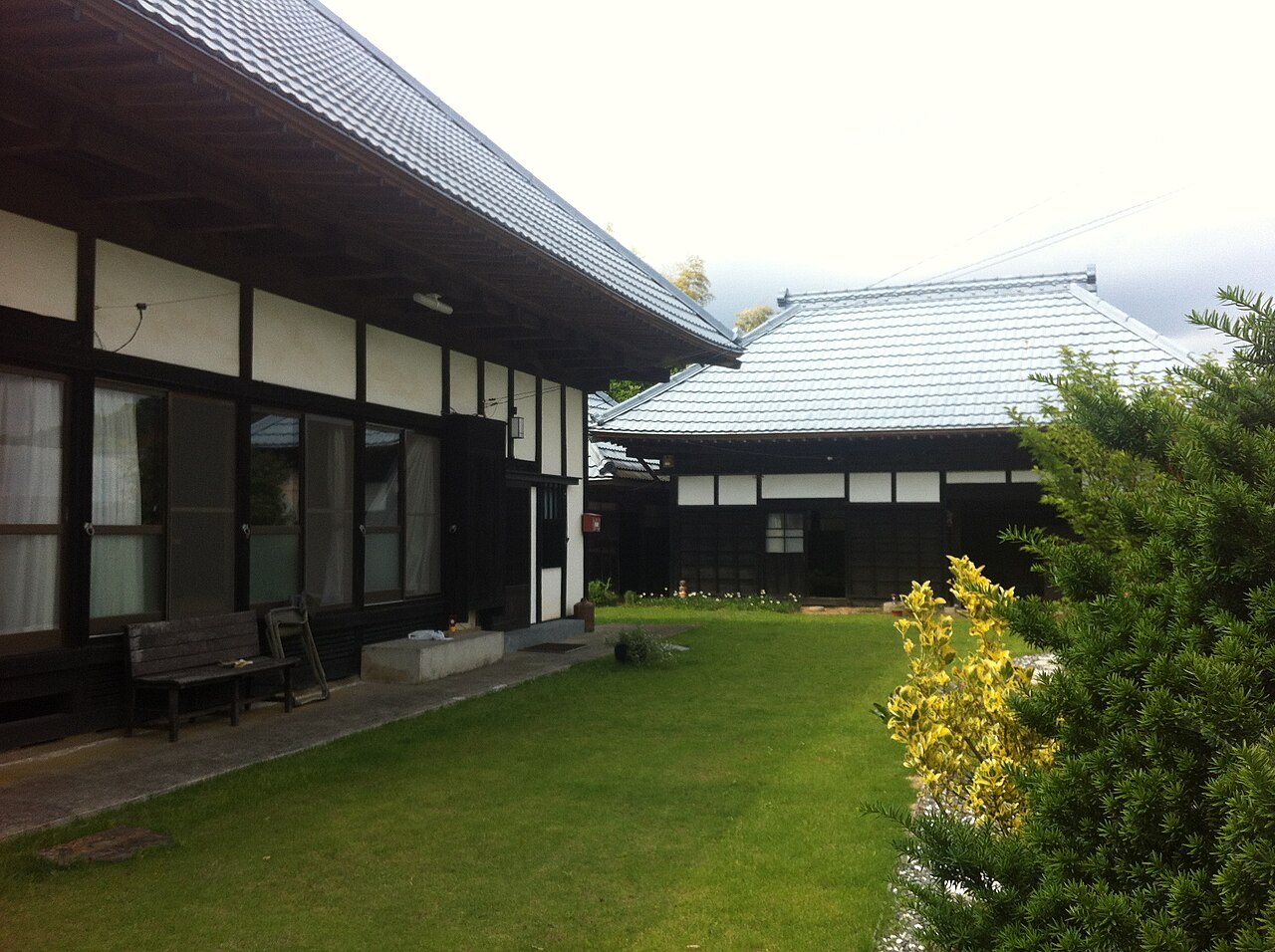
Buying or selling property in Japan can feel confusing if you’re used to real estate systems outside Japan in your home country. The rules, fees, and responsibilities differ in important ways. To make things clearer, let’s walk through a sample real estate transaction in Japan involving a single-family Akiya home in Osaka.
Our example features:
- Mr. Smith (Seller) – wants to sell his vacant Osaka home
- Mrs. Jones (Buyer) – interested in buying an affordable Akiya
- ABC Brokerage (Real Estate Firm) – handles the transaction
This example will help you understand how Japanese real estate brokers operate, what their legal obligations are, and how their role compares to practices you may be familiar with abroad.
Step 1: Seller Lists Akiya with ABC Brokerage
Mr. Smith owns an old single-family home in suburban Osaka that has been vacant for years – a classic Akiya property. He decides to sell and signs a brokerage agreement with ABC Brokerage.
In Japan, there are three types of brokerage agreements:
- Exclusive Right-to-Sell Agreement – Only one brokerage can represent the seller, and the seller must go through that firm.
- Exclusive Agency Agreement – Only one brokerage is chosen, but the seller can still find their own buyer.
- Non-Exclusive Agreement – Multiple brokerages can list the property.
For a vacant home, Mr. Smith chooses an Exclusive Agency Agreement, giving ABC Brokerage priority while still allowing him to find a buyer directly.
Step 2: Buyer Expresses Interest
Mrs. Jones, a first-time buyer in Japan, finds the Osaka Akiya listing online and contacts ABC Brokerage.
In many countries, buyers usually hire their own agent who works exclusively for them. For example, in the United States, if one brokerage represents both the seller and the buyer, it creates what’s called a dual agency relationship. U.S. law requires clear written disclosure and consent from both parties before the deal can move forward.
Japan handles this differently. Here:
- Dual agency is legal and common – often the listing brokerage automatically takes on both roles.
- However, there is no specific law requiring the broker to disclose in writing that they are representing both sides.
- Instead, brokers are strictly regulated under the Real Estate Brokerage Act to provide accurate property information, fair treatment, and a detailed Written Explanation of Important Matters before any contract is signed.
In practice, this means:
- By simply contacting the listing agency, Mrs. Jones has likely entered into an assumed representation relationship.
- She may be expected to pay brokerage fees if she goes ahead with the purchase, even if she never explicitly agreed to be their client.
- Unlike in the U.S., where dual agency consent must be formally documented, in Japan the regulation focuses on disclosing property details, not on clarifying the agency relationship.
Step 3: Finding and Viewing Properties
After contacting ABC Brokerage, Mrs. Jones continues researching Osaka Akiya listings online. In Japan, many properties are listed across multiple platforms, such as:
- Suumo (スーモ) – one of the largest dedicated real estate portals in Japan.
- AtHome (アットホーム) – widely used for both rentals and sales.
- Homes.co.jp (ホームズ) – another major search site with broad coverage.
- Nifty Real Estate (ニフティ不動産) – an aggregator, similar to Zillow in the U.S., which pulls listings from multiple platforms into one place.
- Local Akiya Bank sites (空き家バンク) – municipal programs listing vacant houses.
Mrs. Jones identifies several Akiya homes in Osaka and arranges showings through ABC Brokerage.
Here’s where Japan’s system can surprise first-time buyers in Japan:
- When you contact the listing agency for a showing, it is generally assumed they will also represent you.
- This means you may owe brokerage fees if you move forward, even if you thought of them as only the seller’s agent.
To avoid confusion, Mrs. Jones takes the important step of asking ABC Brokerage upfront:
- Will I owe brokerage fees if I buy through you?
- Can I use another agent, or do you expect to represent both sides?
- Can you provide a written fee estimate before the showing?
In many countries, just viewing a property doesn’t create an agency relationship. But in Japan, the first call to the listing agency often establishes it by default. Clarifying expectations early helps prevent misunderstandings later.
Step 4: Offer Submission and Brokerage Agreement Discussions
Once Mrs. Jones decides she wants to move forward with a particular Osaka Akiya, she fills out a non-binding Offer to Purchase (買付申込書, kaitsuke moushikomi). This form signals serious intent and typically includes:
- Proposed purchase price
- Preferred handover date
- Conditions, such as financing or repairs
- Application fee (in some cases, especially if a property is competitive). This is typically ¥50,000–¥100,000 and serves as a gesture of seriousness, similar to a small deposit. It may later be applied toward the official deposit if the offer proceeds.
At this stage, it’s important to note: the intermediary (brokerage) fee agreement is not signed yet.
- The non-binding application does not trigger an intermediary fee.
- The intermediary fee agreement is typically presented together with the sales contract once the seller has verbally accepted the offer.
- That acceptance then prompts the agent to draft the official sales contract, at which point the brokerage fee agreement comes into play.
👉 This means the early application shows intent, but it does not lock the buyer into paying brokerage fees until the seller’s side formally moves forward.
Step 5: Property Disclosures – What You Can Ask Early vs. What Is Legally Disclosed
Before Mrs. Jones commits further, she wants to know if there are serious issues with the property: water leakage, termite damage, zoning restrictions, or if it’s a stigmatized property (告知事項, kokuchi jiko).
What You Can Ask Before Submitting an Offer
First-time buyers in Japan can and should ask the broker about:
- Stigmatized property status (告知事項, kokuchi jiko) – deaths, accidents, or other sensitive history.
- Rebuild restrictions (再建築不可) – whether the house can be rebuilt under local building codes.
- Basic zoning category (市街化区域, 調整区域, etc.) – whether the land allows residential use.
- Obvious structural issues – leaks (雨漏り), termites (シロアリ), foundation damage.
These answers are usually verbal and informal – not yet the full legal disclosure.
What Is Legally Disclosed After the Offer, Before the Contract
Once an offer is submitted, the broker must prepare the Written Explanation of Important Matters (重要事項説明, juyō jikō setsumeisho). This is the legally binding disclosure, covering:
- Property ownership and registration
- Zoning and land-use restrictions
- Rebuilding eligibility or restrictions
- Liens, mortgages, or unpaid taxes
- Known structural defects (leaks, termites, etc.)
- Any stigmatized property history
Best Practice for First-Time Buyers in Japan
- Ask early, confirm later: Raise red flags before offering, but expect complete details only in the formal disclosure.
- Trust the Important Matters Explanation: This is the legally binding disclosure.
- Remember: The offer is non-binding. If the disclosure reveals problems, you can walk away.
Step 6: Due Diligence, Cancellation Rights, and Deposits
In the U.S. and many other countries, buyers often have an “inspection period” (sometimes called a J-1 period) where they can cancel without penalty after reviewing a professional home inspection. In Japan, the process is different.
Home Inspections in Japan
- Independent home inspections (住宅診断, jūtaku shindan) are available, but they’re not common for affordable homes – typically those costing under about $100,000 (≈ ¥15 million)
Why?
- Many Akiya are sold “as is” (現況有姿, genkyō yūshi).
- Buyers often rely only on the Important Matters Disclosure (重要事項説明, juyō jikō setsumeisho) from the agent.
- Spending ¥50,000–¥100,000 ($350–700) on a private inspection may feel unnecessary when the property itself is inexpensive.
- Sellers may also refuse inspections because if an issue is discovered, they become legally obligated to disclose it to future buyers, which can lower the property value or affect mortgage eligibility. To avoid complications, some sellers prefer to keep transactions simple and inspection-free.
Cancellation Rights
- Before signing the Sales Contract (売買契約書, baibai keiyakusho):
- Offers (買付申込書, kaitsuke moushikomi) are non-binding. Buyers can walk away without penalty.
- Offers (買付申込書, kaitsuke moushikomi) are non-binding. Buyers can walk away without penalty.
- After signing the Sales Contract:
- The buyer pays a deposit (typically 5–10% of the purchase price).
- If the buyer cancels, they usually forfeit the deposit as liquidated damages.
- If the seller cancels, they must typically pay back double the deposit to the buyer.
- The buyer pays a deposit (typically 5–10% of the purchase price).
- Japan does not have a standard post-contract “inspection contingency” period like in the U.S.
Deposit Rules
- Deposit (手付金, tetsukekin) is due at the time of contract signing.
- Amount is usually 10% of purchase price.
- Example: For a ¥2.5 million Akiya, deposit = about ¥250,000.
👉 For first-time buyers in Japan: do your due diligence before signing the Sales Contract. Once you sign, you’re locked in unless you’re willing to lose your deposit.
Step 7: Written Explanation of Important Matters
Before any binding contract can be signed, ABC Brokerage must deliver the Written Explanation of Important Matters (重要事項説明, juyō jikō setsumeisho).
This document, explained by a licensed real estate transaction agent, ensures Mrs. Jones fully understands the property’s legal and physical condition before signing the contract.
Often, this explanation and the Sales Contract signing happen back-to-back in the same meeting – but the disclosure must always come first in sequence.
Step 8: Signing the Sales Contract
If Mrs. Jones remains satisfied after reviewing the Important Matters Disclosure, the next step is signing the Real Estate Sales Contract (売買契約書, baibai keiyakusho).
At this stage, Mrs. Jones pays the deposit of 10%, which sets the cancellation framework:
- If Mrs. Jones cancels after signing, she forfeits her deposit.
- If Mr. Smith cancels after signing, he must return double the deposit to Mrs. Jones.
No Free Cancellation After Signing
- Legally, there is no automatic grace period or “cooling-off” period for ordinary home purchases in Japan.
- Culturally, once the Sales Contract is signed, it is assumed the deal is final. Brokers often say:
“If you want to cancel, do it before signing. Once you sign, you are committed.”
👉 For first-time buyers in Japan, this means you must finish all due diligence, ask all questions, and resolve any concerns before signing the Sales Contract.
Step 9: Brokerage Commission Fees
In Japan, brokerage firms can earn a commission from both buyer and seller. The legal maximum is:
- For properties under ¥8 million:
• As of July 2024, real estate agents can legally charge a flat commission of up to ¥300,000 (¥330,000 including tax) from each side.
• This rule was introduced to make low-cost and Akiya transactions more attractive for agents. - For properties over ¥8 million:
• 3% of the transaction price + ¥60,000 + tax (traditional formula).
For example, if Mrs. Jones buys an Akiya for ¥2.5 million, ABC Brokerage could charge a commission of up to ¥330,000 from the buyer and may also charge the same amount from the seller.
Step 10: Closing and Transfer
On the agreed date, Mrs. Jones pays the balance, and ownership of the Osaka Akiya is transferred.
ABC Brokerage ensures all paperwork is complete, including:
- Title registration documents prepared by the judicial scrivener
- Settlement of any unpaid property taxes
- Utility account changes
- Handover of house keys
Step 11: Settlement and Registration
Here’s where Japan’s process differs most from the U.S.
Balance Payment and Key Handover
- On settlement day (決済, kessai), the buyer, seller, brokers, and a judicial scrivener (司法書士, shihō shoshi) meet at a bank or office.
- Mrs. Jones pays the remaining balance.
- The scrivener confirms:
- Buyer’s payment is complete
- Seller’s mortgage (if any) is cleared
- All documents are valid for transfer
- Buyer’s payment is complete
- Once confirmed, keys are handed over immediately.
👉 The buyer does not wait for registration to move in. Once balance is paid, possession passes the same day.
Recording at the Legal Affairs Bureau
- The judicial scrivener submits the ownership transfer (登記申請, tōki shinsei) to the Legal Affairs Bureau (法務局, Hōmukyoku).
- Most filings today are done electronically; in rare cases, they may still deliver documents manually.
- The Legal Affairs Bureau typically processes the registration in 1–3 business days.
When Ownership Becomes Official
- The contract determines the agreed transfer timing. Registration is required to assert the real-property transfer against third parties; confirm the process with the judicial scrivener.
- Practically, Mrs. Jones is treated as the owner the moment she pays the balance and receives the keys.
FAQs About Buying Akiya Homes in Japan
1. Can non-residents buy Akiya homes in Japan?
Yes. Japan places no restrictions on property ownership based on nationality or residency.
2. How much are brokerage fees for Akiya homes?
Brokerage fees in Japan are legally regulated, even for inexpensive properties.
As of July 2024, for homes priced under ¥8 million, agents can charge a flat fee of up to ¥330,000 (including tax) from each side (buyer and seller). In practice, some agents may charge less for very low-priced properties — typically around ¥180,000–¥200,000 per side for homes under ¥4 million. For properties over ¥8 million, the standard formula applies: 3% of the transaction price + ¥60,000 + tax.
3. Are Akiya homes safe to buy?
Some are ready to move into, while others need extensive renovation. A professional inspection is highly recommended, though many buyers accept Akiya “as is.”
4. Do I need to wait for registration before moving in?
No. Once you’ve paid the balance and received the keys, you can move in immediately. Registration usually finalizes within 1–3 business days.
5. Why are Akiya homes so inexpensive?
Aging demographics, rural depopulation, and inheritance issues often leave homes abandoned.
6. How long does it take to buy an Akiya?
Typically 1–3 months, depending on financing, inspections, and scheduling. Cash purchases of vacant homes can close much faster.
Conclusion
Japan’s real estate brokerage system may look different from what you’re used to, but once you understand the steps, it’s structured and efficient.
Through the example of Mr. Smith’s Osaka Akiya home and Mrs. Jones’s purchase, you can see how contracts, disclosures, deposits, and settlement differ from real estate systems abroad.
For first-time buyers in Japan, the key takeaway is:
- Clarify brokerage representation early
- Do all due diligence before signing the Sales Contract
- Expect fast possession once balance is paid
But beyond the process, there’s a deeper cultural layer that shapes everything:
- In the U.S., cancellation is treated as a buyer’s right.
- In Japan, cancellation is seen as a betrayal of trust once you’ve committed.
- Transactions are built on good faith and social obligation, not constant negotiation.
As the Japanese saying goes:
郷に入れば郷に従え (“When in Rome, do as the Romans do”).
Rather than insisting on U.S.-style rules, respecting Japan’s system is the key to a smooth purchase.
As a licensed realtor in the U.S., I’m used to having a buyer’s agent on my side – someone I can ask anything, who negotiates without conflict of interest. In Japan, that system doesn’t really exist. Instead, so much is based on assumptions, trust, and cultural norms.
That’s why, as a first-time buyer in Japan, I would want someone I could trust to guide me – not necessarily a “buyer’s agent” in the U.S. sense, but an advisor who understands both the cultural expectations and the legal rules. Having that bridge makes all the difference between feeling lost in the grey areas and moving forward with confidence in Japan’s unique system.
Let’s talk about your plans for Japan.
Book a free introductory call with Yuko. We’ll discuss your goals, explain our services and explore whether working together is the right fit for you.

4 Comments